
Now that the “safety stand-downs” have ended, what now?

As I wrote last week, I am not a fan of the so-called “safety stand-downs” that seem to be all the rage these days.  Our stand-downs in the 1990s and 2000s were entirely different approaches and were conducted following serious events.  My post spurred a lot of great discussions about how they are conducted vs. how they should be conducted and whether we can measure their impact.  This last item, measuring their impact, is what I want to offer in this post.  For every “stand-down” that was conducted at a facility I managed, we had to devise a means to measure its impact, both short-term and long-term.

For these annually planned stand-downs, a mature safety management system will have devised a means to measure whether the stand-down was effective in whatever its intended goal was.  Some friends told me they simply wanted to pause and discuss fall safety to win the “hearts and minds” of their workers.  Others used the time to perform technical training on Personal Fall Arrest Systems (PFAS).  And both can be measured over the next weeks/months…
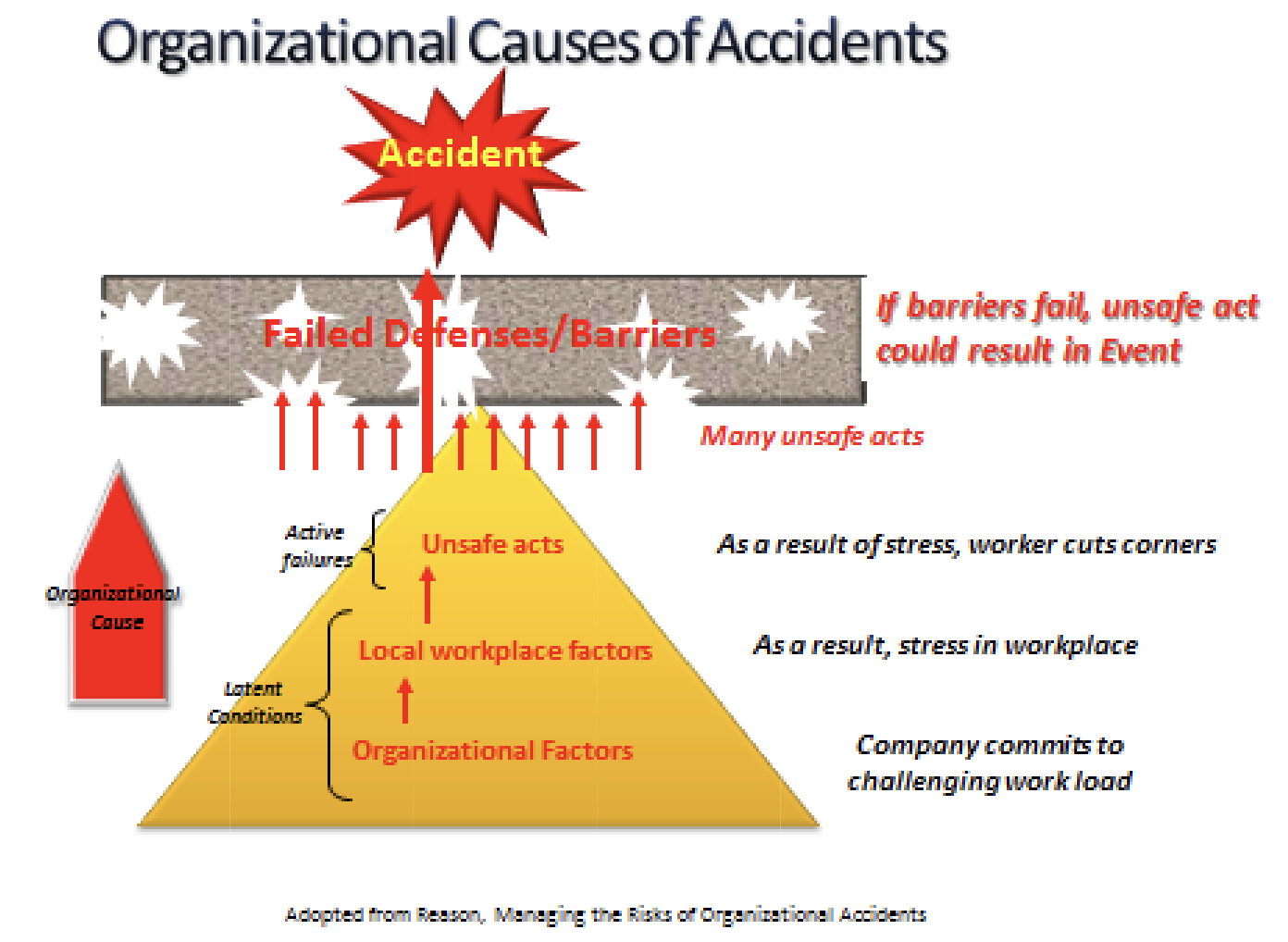
Let’s talk about the “hearts and minds” approach first.  These organizations have a high degree of confidence that their technical training on PFAS is more than adequate, and they believe their last battle in this war on fatal falls is to get their employees to utilize their PFAS more often, to make it a “way of life”. 

Can this effort be measured?  I believe it can; if the “stand-down” was successful, we should see this translated into actions (i.e., better use of PFASs).  The SMS should increase the audits, observations, and inspections on the use of PFAS, and we should see a spike in the FREQUENCY and PROPER use of PFAS in the days, weeks, and months following the stand-down.  This can be quantified in a percentage of improvement, allowing us to gauge the impact on the stand-down.  A mature SMS will set a goal for how much impact/improvement they seek from their stand-down and then measure the results against the goal.

The other group took time to perform some hands-on technical training on PFAS.  They brought in vendors with drop systems and rescue systems so employees could get first-hand experience in what a fall feels like and how to self-rescue.  The training on inspecting the entire PFAS, from anchors to harnesses.  But we take the same approach to validate that the stand-down made an impact through audits, observations, and inspections focused on the PROPER use of PFASs.  And we should, if we have been taking fall protection seriously, be able to compare the next weeks/months of these audits, inspections, and observations to the previous 12 months AND SEE a spike in improvements – if our stand-down was impactful.

The biggest questions regarding these stand-downs are:

  1. do they make an impact, and
  2. how long does this impact last

And the beauty of both of these questions is that we can answer both questions with a well-planned and implemented audit, observation, and inspection process focused on the key elements we wanted to take away from the stand-down.  I will usually tell you that attitudes are hard to measure; however, in this case, we can measure the stand-down’s ability to change one’s attitude toward their use of PFAS, and this can be measured by their FREQUENCY and QUALITY of their use. 

But I would advise anyone not to jump to conclusions if we tried to win the hearts and minds and assumed that the PFAS training was adequate.  If we see trends in these audits, observations, and inspections, we need to analyze them as they may indicate a technical failure in training and not a “hearts and mind” issue.  But for us to identify trends and analyze these trends, we need RELIABLE DATA from well-performed audits, observations, and inspections by QUALIFIED personnel.

Following this approach will allow us to gauge the effectiveness of our stand-downs.  If we want more from this activity next year, a great analysis of this past week’s approach and the data we gather over the next several months will give us a great starting point.

Scroll to Top