







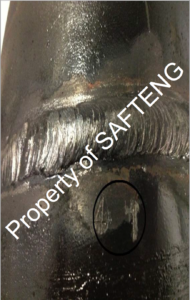
One of the most requested slide deck over the years has been from my 5-Day RAGAGEP course, specific to ASME B31.5, Refrigeration Piping and Heat Transfer Components. The PowerPoint file below is only 12 slides from a 300 slide presentation, but the requirements noted in these 12 slides are often not understood at the plant level and thus are often issues during PSM/RMP audits and/or compliance...
Read More
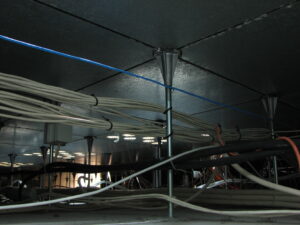
I spent several years working at semi-conductor facilities (the Cincinnati SUMCO plant was one of the finest!) and it was world’s apart from a chemical facility. When I worked in chemical plants we always used to say… “this ain’t no chocolate factory”. But when I arrived at SUMCO I swear it was cleaner than any food plant I had ever been in; yet this facility...
Read More

Does your business allow workers to carry their personal lighters in their pockets? In my word of Flammable Liquids and Gases (FLAGs) and HAZ MATs we never allowed people to have lighters on them while on our property – some companies do not even allow them in parking lots. In most of my plants, our smoking areas had electrical lighters (like the push-in/pop-out style in cars); pipe smokers...
Read More
7/8/20 UPDATE: this LOI was NOT removed from the OSHA website; it was merely MOVED to the Year 2017 LOI Page (Linked Below). The letter was MOVED without any changes to its content – it was just moved to its proper year. This was merely a recordkeeping move by OSHA to reflect the year the letter was sent, but due to the passing of a great OSHA team member, the letter got lost in the...
Read More
Respondent is a cooperative with two (2) facilities that store ammonia. On June 26th and September 6, 2012, EPA conducted inspections of the facilities to determine the Respondent’s compliance with the Risk Management Program 2 Prevention Program requirements. The inspections confirmed that the facilities had more than a threshold amount of anhydrous ammonia.
Facility #1 failed to:
…
HomeRead...
Read More
Over the past several years, I have attempted to convince the SAFTENG members that an Evaporative Condenser in an Ammonia refrigeration process is indeed a Permit-Required Confined Space. Earlier this year, the IIAR published one of my articles on this topic, hoping to educate the industry about this life safety topic. I think we have converted a fair number of refrigeration personnel into...
Read More
NOT only was this worker welding, but he/she had also used a flammable liquid to clean the spot they wanted to weld and then kept the OPEN bucket of flammable liquid right at the point of work. When they struck the arc, the vapors in the bucket ignited and the worker kicked the bucket of flammable liquid, which was on fire, away from him. This was not the right choice…
At 11:00 a.m....
Read More
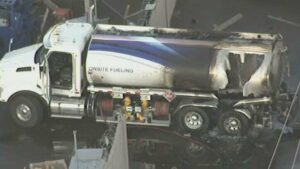
At 5:48 a.m. on November 5, 2019, an employee was working for a trucking firm that hauled refined fuel products. He was pumping fuel from a portable tank back into his tanker truck by top-loading (e.g. SPLASH FILLING). The fuel involved was a mixture of gasoline and diesel fuel (both NON-conductive flammable liquids). The employee was on top of the pump truck checking tank Number 3 when vapor from...
Read More
At 12:00 p.m. on November 5, 2019, Employee #1 was making a small spot weld on a piece of metal. He was performing the weld on a drum that contained windshield washer fluid, a CATEGORY 3 Flammable Liquid. There was an explosion, and the drum hit the employee’s face. Liquid splashed on the employee and was ignited by the explosion. Employee #1’s clothes caught on fire. He sustained body...
Read More
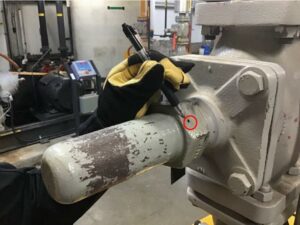
On February 18, 2020, the audible alarm and light outside the Ammonia plant was activated at approximately 6:40 pm. The plant operator checked the NH3 (ammonia) readings and it read 43 ppm (parts per million). At 6:45 pm the readings increased to 51ppm and staff activated the Emergency Response Plan, contacted 911, the Chief Engineer, and evacuated the building to muster in the lobby of the building....
Read More
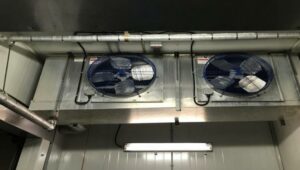
Two persons received minor injuries from exposure to ammonia after a refrigeration system failed and released ammonia that was intended to be contained within the evaporator and refrigeration system.
INCIDENT OVERVIEW
The evaporator within a refrigeration system of an industrial food processing facility failed and released ammonia in a cold storage room. Two workers suffered minor symptoms as a result...
Read More
This new Instruction establishes OSHA’s field inspection and enforcement procedures designed to ensure uniformity when addressing respirable crystalline silica exposures in the workplace. These two new expanded health standards, general industry/maritime (29 CFR § 1910.1053) and construction (29 CFR § 1926.1153), were published in the Federal Register on March 25, 2016, and became effective June 23,...
Read More