












The short answer is NO…UNLESS your online training is
SPECIFIC to your workplace,
LOTO written program, and
machine energy isolation procedures
…
HomeRead More »
Read More
The Control of Hazardous Energy (lockout/tagout) standard regulates the servicing and/or maintenance of chemical process systems and associated piping, even though the energy sources (e.g., chemical and thermal energy) and control methods used in process hazards management are somewhat different from those encountered with machinery and mechanical equipment.
Typically, the procedural steps required...
Read More
One of the most overlooked LOTO program requirements is the “Means to Enforce”.
OSHA regulations state the following about procedures to enforce the program…
…
HomeRead More »
Read More
Do you include your Fire Extinguisher company under your PSM/RMP Contractor Safety Program?
…
HomeRead More »
Read More
FIRE EXTINGUISHER FATALITY Youth killed while demonstrating safe use of fire extinguisher.
…
HomeRead More »
Read More
Many THANKS to my NEW & RENEWING
Corporate Partners in Safety!
since 2005
since 3/2011
since 2007
since 3/2011
2011 Fatality Tracker
Electrical
11
(2010 = 90)
(2009 = 100)
Forklift/Manlift
Mobile Equipment
31
(2010 = 110)
(2009=88)
Mining
65
(2010 = 480)
(2009...
Read More
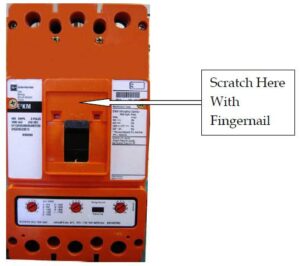
MSHA has been made aware of a hazardous condition that may exist in 600 volt and 1000 volt circuit breakers.
…
HomeRead More »
Read More
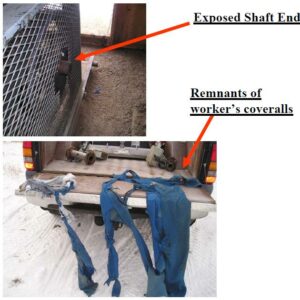
IncidentWorker was in the process of checking gauges when suddenly he felt a pulling motion on his right hip and back side. His coveralls had become entangled in an unguarded shaft and were being sheared off. Unable to escape or break free of the drawing motion the worker was able to reach the motor clutch and disengage the equipment, thus ending the ordeal. In the period of time (approximately 15-20...
Read More
What is management leadership in safety and health?
Management demonstrates leadership by providing the resources, motivation, priorities, and accountability for ensuring the safety and health of its workforce. This leadership involves setting up systems to ensure continuous improvement and maintaining a health and safety focus while attending to production concerns. Enlightened managers understand...
Read More
1.) What is a Safety Contact?
Safety Contacts are a conversation between a “manager” and an employee that is focused exclusively on safety!
2) Who is considered a Manager?
A “manager” is considered to be all levels of management (usually defined by “exempt” status), but also includes the Leadership Team such as Engineers, Shift leads/ Supervisors, and other’s designated by the Business Manager or Safety...
Read More
Measurement is a key step in any safety management process and forms the basis for continuous improvement.
…
HomeRead More »
Read More
Below are examples of “measurable” and “auditable” safety activities that have proven to be effective when properly implemented, managed and
measured.
A) Job Safety Analysis – Each operation is required to perform _____(#) JSA’s a ________ (shift, day, week, month, quarter, etc.). These JSAs are required to be signed off by the Department Manager and filed for retention. ...
Read More