Principles of Human Performance (Department of Mines)

1) Variation in human performance is normal and not causal.

    Variation in human performance is normal and to be expected given the strengths and constraints that come with being human. Human performance should not be capable of leading to a major event or incident on its own.

    2) Blaming human performance fixes nothing.

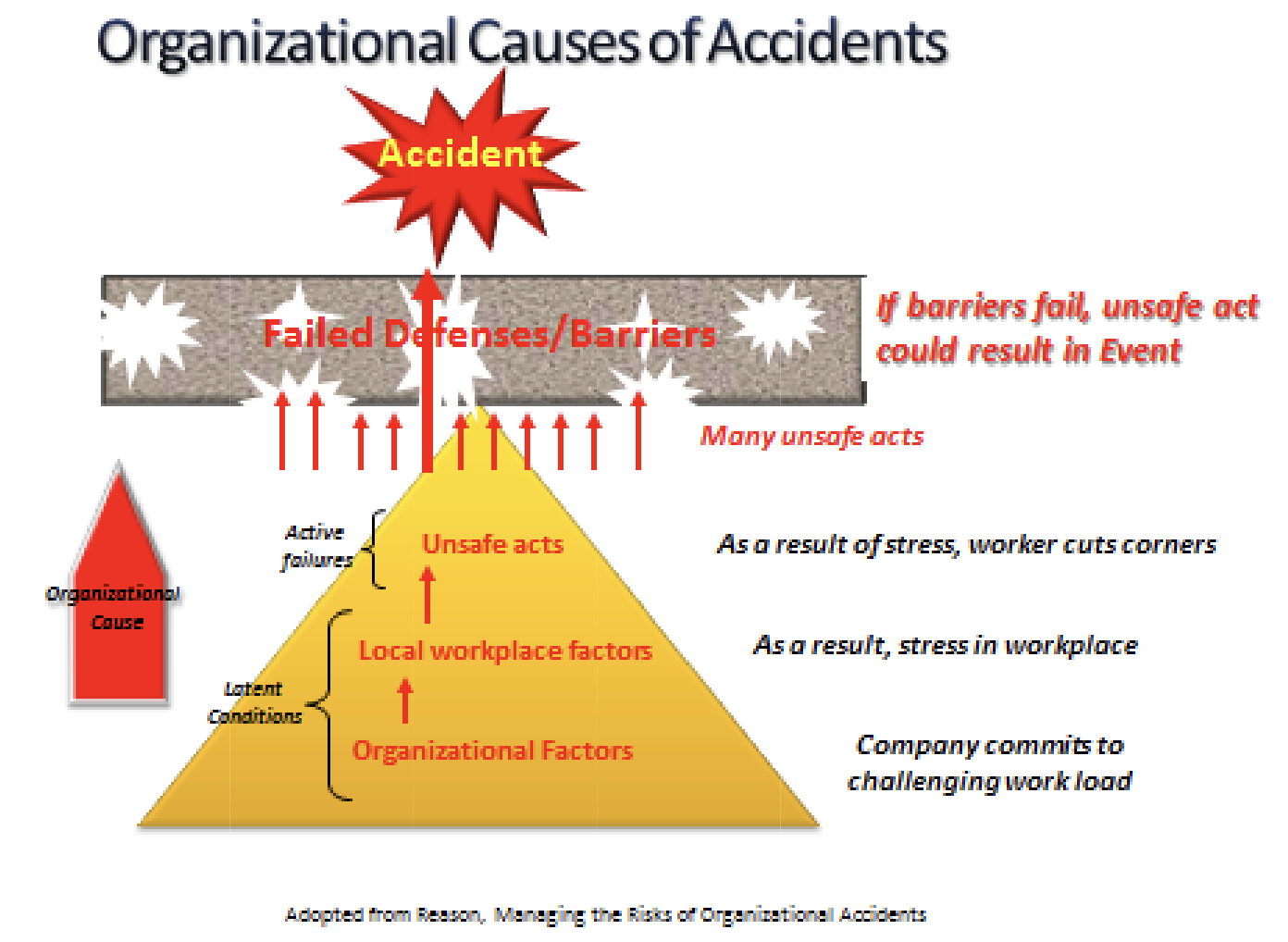
    Attributing the cause of a major incident to human performance is overly simplistic. More often than not, the performance is a symptom of wider systemic issues, and even the best, most experienced, most competent people will make mistakes.

    3) Learning is vital.

    Organizational learning, driven by leadership commitment and a continuous-improvement or learning culture, is fundamental to preventing recurrence. Opportunities for learning should be sought from all types of incidents, actual loss or harm incidents, near misses, and weak signals (i.e.,e. small indications and signs that something is not correct or as it should be).

    4) Context drives behaviour.

    Context is the meaning assigned to the situation. Context involves people’s beliefs, perceptions, motivations, and values which shape human behaviour. People perform in ways that make sense to them; they adapt to the demands of the situation, assess risks, and make trade-offs with good intentions. Understanding the contextual factors that drive behaviour helps identify underlying weaknesses in the system and opportunities to improve the system.

    5) How leadership responds matters.

    Visible leadership commitment and modelling desired behaviours and attitudes is pivotal as workers take their cues from their management and the immediate work environment. A ‘just’, no-blame culture encourages reporting and improvement.

    Source: Department of Mines, Industry Regulation and Safety

    Scroll to Top