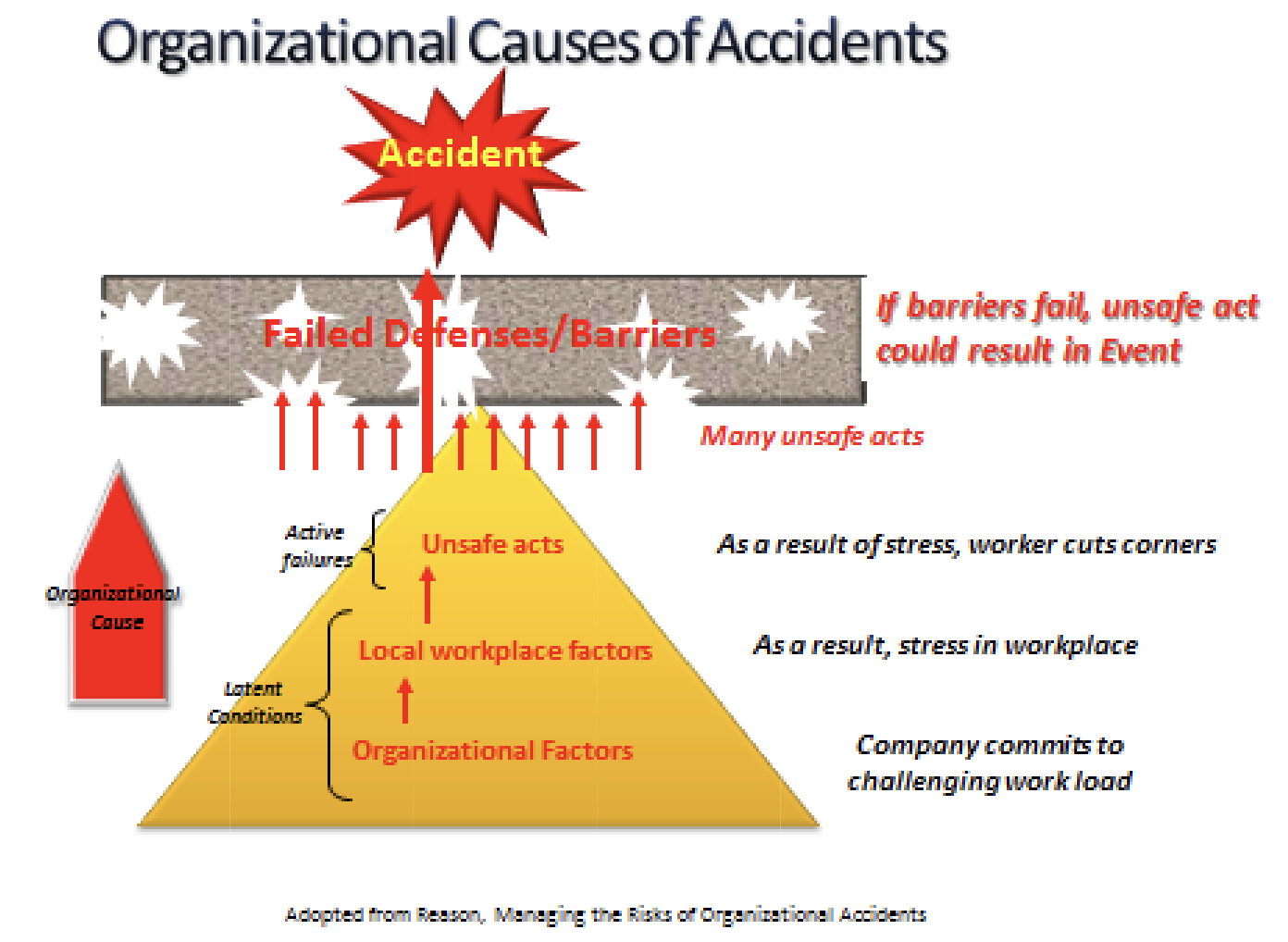
Over the past decade, we saw a huge swing away from safety being a technical field to one that is more hugs and kisses. Last year, we even saw the number one organization for safety professionals change their name from Safety Engineers to Safety Professionals. Along with the name change came a change to topics at its annual conference and continuing education offerings. This leads me to look back on the year 2019 and the many discussions I had with fellow safety professionals about their “cultures” and how management was questioning the “safety culture” at the facility/company. This reflection has me convinced that in this day and age where most facilities are managing their EHS needs by a single person or a vastly reduced staff. This change in how EHS is managed is highly visible to the workers and implies a lesser concern for EHS matters, as compared to a similar function like quality where workers see a much large effort with many more persons engaged in the effort. And senior management is coming to the EHS person/group and questioning the “safety culture”?
Another change that I have witnessed in the past decade is the management structure and where the safety engineer/professional finds themselves in this structure. When I was a safety manager in the chemical industry I answered to the Plant Manager, except for a few occasions where I answered to an EHS Director, who then reported to the Plant Manager and was a Senior Manager within the staff functions. But today we see professionals responsible for safety and health several layers down AND NOT reporting to a technical manager but rather an HR type manager. I feel this also is influencing this “feel good” approach vs. a scientific approach to safety.
But either way, it seems the safety person is the one who is being held accountable for the “safety culture” yet they have very little influence in this culture. We can be safety leaders and lead by example, but when workers can see first hand how senior management is “managing safety”, our actions are often in direct conflict with senior management’s actions. I can remember working for my first two (2) plant managers like it was yesterday and both of these men had the same attitude about safety… It is non-negotiable and it is a matter of your employment. They both favored the “safety committee” approach as they both believed that the worker was the voice to improve safety as they could easily educate us on what was wrong with safe work practices and the workplace. But this was not “safety by committee” – in other words, safety was their (the plant manager’s) responsibility; the safety committee and the safety team were mere resources for them to meet their responsibilities. In the early 1990’s LOTO relative a new safety practice and OSHA’s PRCS standard was not even published but yet both of these plant managers were forging ahead and the heads winds were stiff from all levels of management and workers/union. Had it been left to the safety committee and managers, neither program would have been implemented! Once implemented, with the aid of the safety committee in writing the program and procedures, following the program/procedures were NOT optional – it was a condition of employment! In other words, there was no incentive for an employee to follow the safety program/procedures because it was a condition of employment. You work at the plant you follow the plant safety program/procedures – you don’t follow them you will not be working at the plant. Very simple to understand and I swear employees liked that approach much better than today’s approach to managing safety.
So what is a “culture”? I personally use the following from Merriam-Webster
the customary beliefs, social forms, and material traits of a racial, religious, or social group
A group of employees will have their own “culture”; heck, if you have been doing safety long enough you have probably noticed that even within the same plant we can have different cultures as it relates to the “safety culture”. This means that when we are in a department that cares about safety, we always cross paths with employees and leadership and they engage us in a positive manner. We walk just several hundred feet into a different department/unit as we see no one – ghost town, as workers are literally avoiding the safety team member(s); work has stopped and housekeeping is questionable at best. Remember, this is just feet away and yet it is worlds apart in how safety is viewed.
So how is a safety engineer/professional responsible for these “cultures”? Are we really responsible for “Safety Culture”?
My take, based on how I was raised as a safety professional in the chemical industry… culture is NOT my role. Culture is a function of management. My job was to ensure that the safety process was READY and CAPABLE to achieve the desired results of management. This was my role in culture! Having a poor safety management system, more specifically poor safe work practices, did not support the expectations of my management team(s) and thus regardless of how badly employees wanted to work safely, they were hampered by poorly written and implemented safety programs/procedures. Our role is NOT to drive the car; our role is to pave the path so the trip is as smooth as possible. Management drives the car; thus they are establishing the safety culture.
Lastly, we can not shoot ourselves in the foot! Too often I find safety professionals who are overwhelmed with trying to do it all and their #1 frustration is the “safety culture”. The safety culture is a mess! No one is coming to training, no one shows up to the safety meetings, no one is closing out action items from accidents and audits and more importantly… no one is being held accountable. They come to me for advice. When it is this bad I have one simple piece of advice… LEAVE. Unfortunately, there are plenty of safety people who want those kinds of jobs as they can coast/do nothing and be home by 5:15 pm each day – no weekends or late-night phone calls about safety. But for those who are in this profession to make a difference, your abilities and energy are wasted at organizations like these. I worked for five world-class companies in my time and at each one, I had a boss who wore me out! They wanted the very best written programs and they wanted them implemented yesterday. They wanted me and my team in the plant doing audits and training and interacting with their teams to influence their team’s safety performance. This was my role in safety culture.