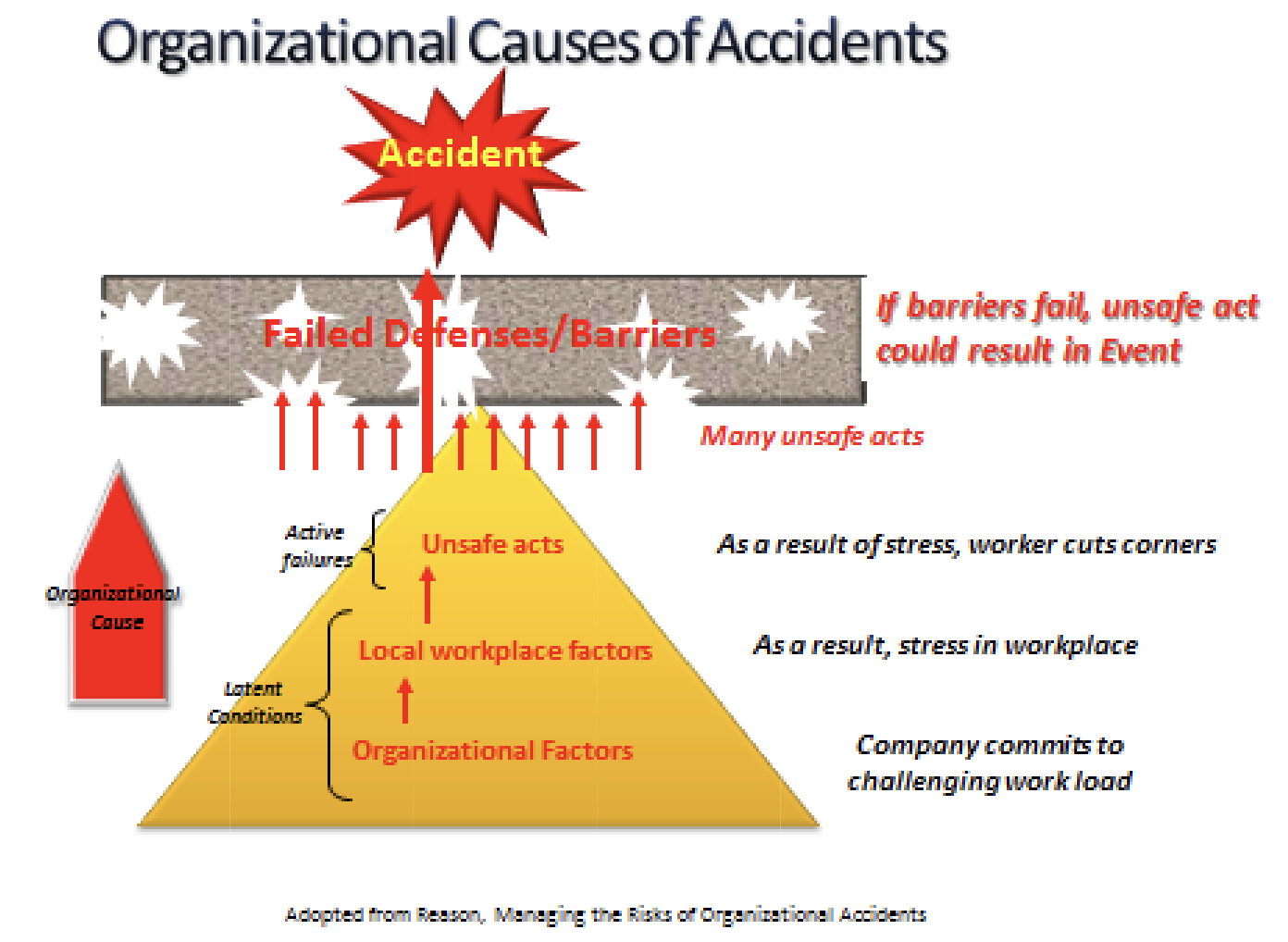
Safety Management Systems (SMS) was developed to integrate safety as part of an organization’s management of safety performance. The benefits of process-based management systems are a well-established component of quality performance. As organizations and the technologies they employ became more complex and diverse, and the rate of change in the pace of societal expectations, technical innovations, and competitiveness increased, the importance of sound management of functions essential to safe operations became heightened.

An SMS is essentially a quality management approach to controlling risk. It also provides the organizational framework to support sound safety culture. Systems can be described as integrated networks of people and other resources performing activities that accomplish some mission or goal in a prescribed environment. Management of the system’s activities involves planning, organizing, directing, and controlling these assets toward the organization’s goals.
Several important characteristics of systems and their underlying process are known as “process attributes” or “safety attributes” when applied to safety-related operational and support processes.
One SMS is the Integrated Safety Management System (ISMS). The ISMS is the overarching safety system used by many to ensure the safety of the worker, the community, and the environment. Seven principles and five core functions characterize the ISMS:
- Line management responsibility for safety – Line management is directly responsible for protecting workers, the public, and the environment.
- Clear roles and responsibilities – Clear and unambiguous lines of authority and responsibility for ensuring safety is established and maintained at all organizational levels and for subcontractors.
- Competence commensurate with responsibilities – Personnel are required to have the experience, knowledge, skills, and capabilities necessary
to discharge their responsibilities. - Balanced priorities – Managers must allocate resources to address safety and programmatic and operational considerations. Protection of workers, the public, and the environment is prioritized whenever activities are planned and performed.
- Identification of safety standards and requirements – Before work is performed, the associated hazards must be evaluated, and an agreed-upon set
Safety standards and requirements must be established to protect workers, the public, and the environment from adverse consequences. - Hazard controls tailored to work performed – Administrative and engineering controls are tailored to the work performed to prevent adverse effects and mitigate hazards.
- Operations authorization – The conditions and requirements to be satisfied before operations are initiated are established and agreed upon.
Five Core Functions
- Define the scope of work – Missions are translated into work, expectations are set, tasks are identified and prioritized, and resources are allocated.
- Analyze the hazards – Hazards associated with the work are identified, analyzed, and categorized.
- Develop and implement hazard controls – Applicable standards, policies, procedures, and requirements are identified and agreed upon; controls to prevent/mitigate hazards are identified; and controls are implemented.
- Perform work within controls – Readiness is confirmed, and work is performed safely.
- Provide feedback and continuous improvement – Information on the adequacy of controls is gathered, opportunities for improving the definition and planning of work are identified, and line and independent oversight is conducted.