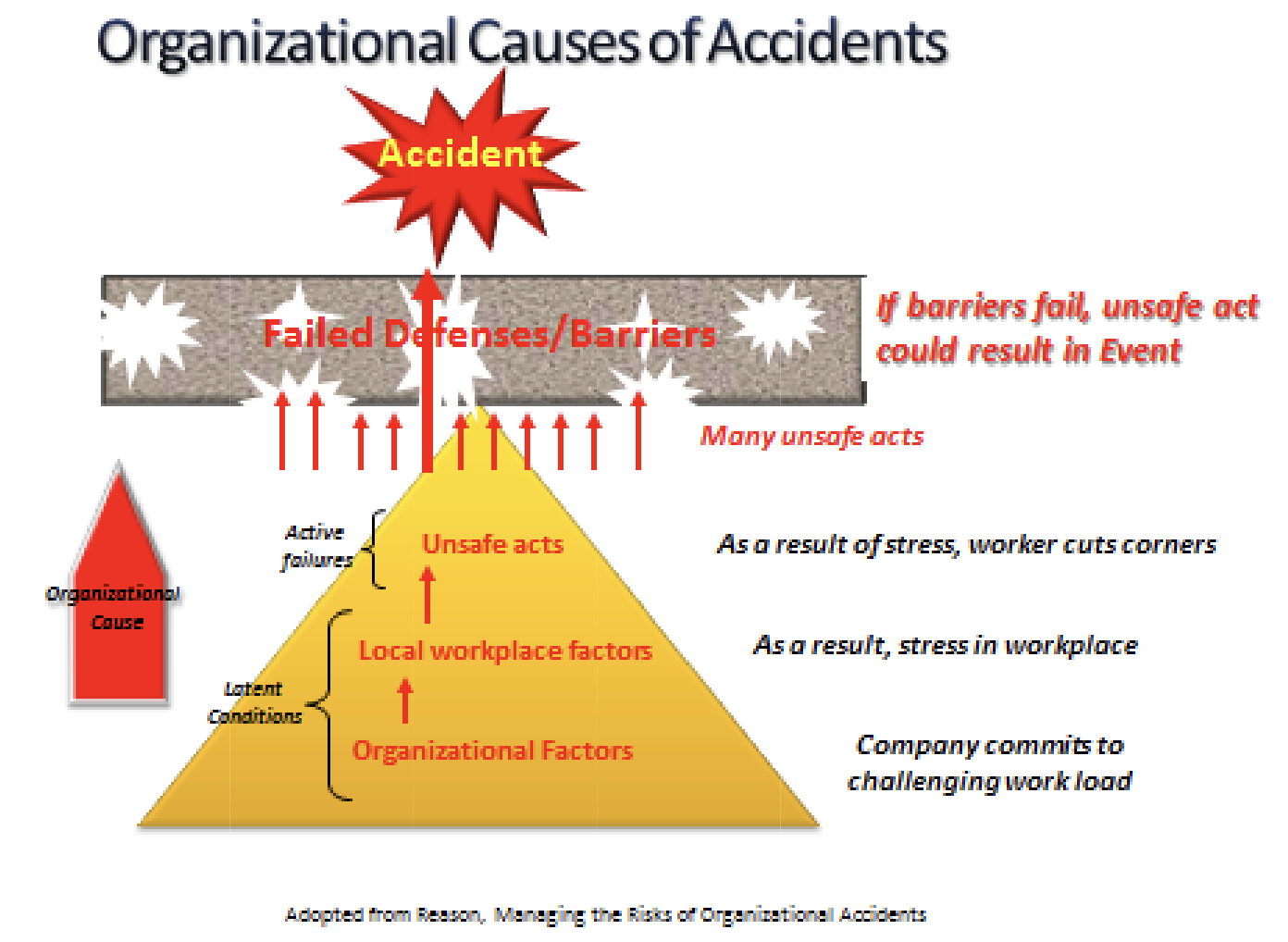
Leadership and culture are two sides of the same coin; neither can be realized without the other. Leaders create and manage the safety culture in their organizations by maintaining safety as a priority, communicating their safety expectations to the workers, setting the standard for safety, and through actions not talk (walk the talk), leading needed...