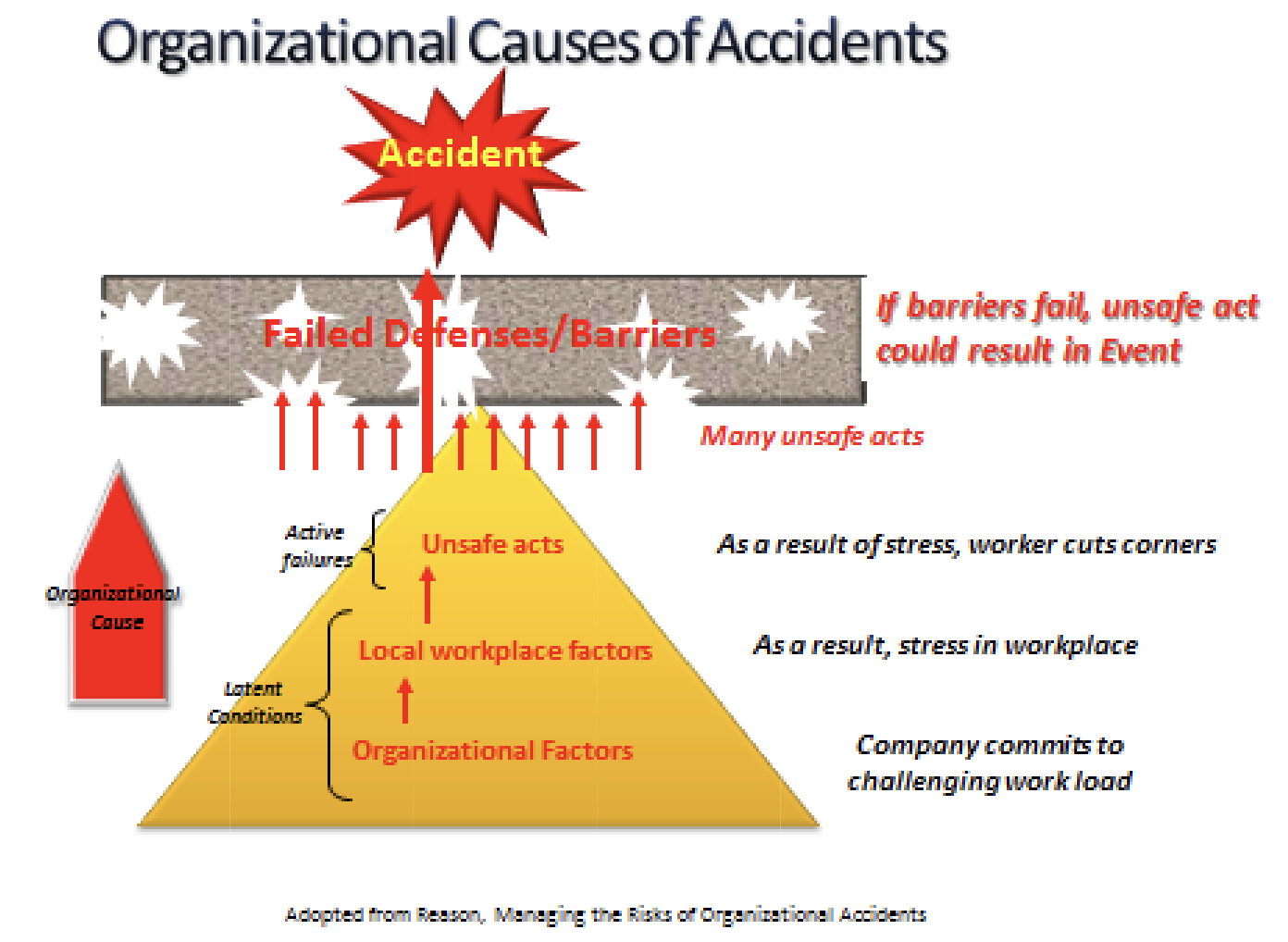
An SMS forces an organization to examine its operations and the decisions around those operations.
An SMS allows an organization to adapt to change, increasing complexity, and limited resources.
An SMS promotes the continuous improvement of safety through specific methods to predict hazards from employee reports and data collection. Organizations will then use this information to analyze, assess, and control risk.
Part of an SMS includes monitoring controls and the system itself for effectiveness.
By sharing knowledge and information, an SMS will help organizations comply with existing regulations while predicting the need for future action.
Finally, an SMS includes requirements that will enhance the safety attitudes of an organization by changing the safety culture of leadership, management, and employees. These changes are designed to help the organization incorporate all three (3) forms of rational thinking:
1) Reactive,
2) Proactive, and
3) Predictive
Source: Safety Management System model, FAA, 2011