
Seven attributes of an integrated culture of safety

The significant ways of thinking and doing, which underpin a positive health and safety (H&S) culture suited to the organization, are identified and applied.  Culture is a lever that can assist the board and senior managers in improving company and safety performance. Setting out a culture strategy for H&S as part of a health and safety management system (SMS) is necessary for excellence.

Culture consists of the shared of ways of thinking and doing in respect of the most significant risks of the organization, which underpin the approach to devising and implementing the SMS.  Current thinking suggests there are seven (7) attributes of an integrated H&S culture.

Different positive cultural characteristics may be more relevant to some parts of the business. For example, a just and fair reporting culture may be more pertinent to enhance learning in front-line work. In contrast, a safety culture of doubt, and a challenge culture of questioning, may be more relevant to those in engineering functions concerned with the high-hazard systemic risks of the infrastructure.
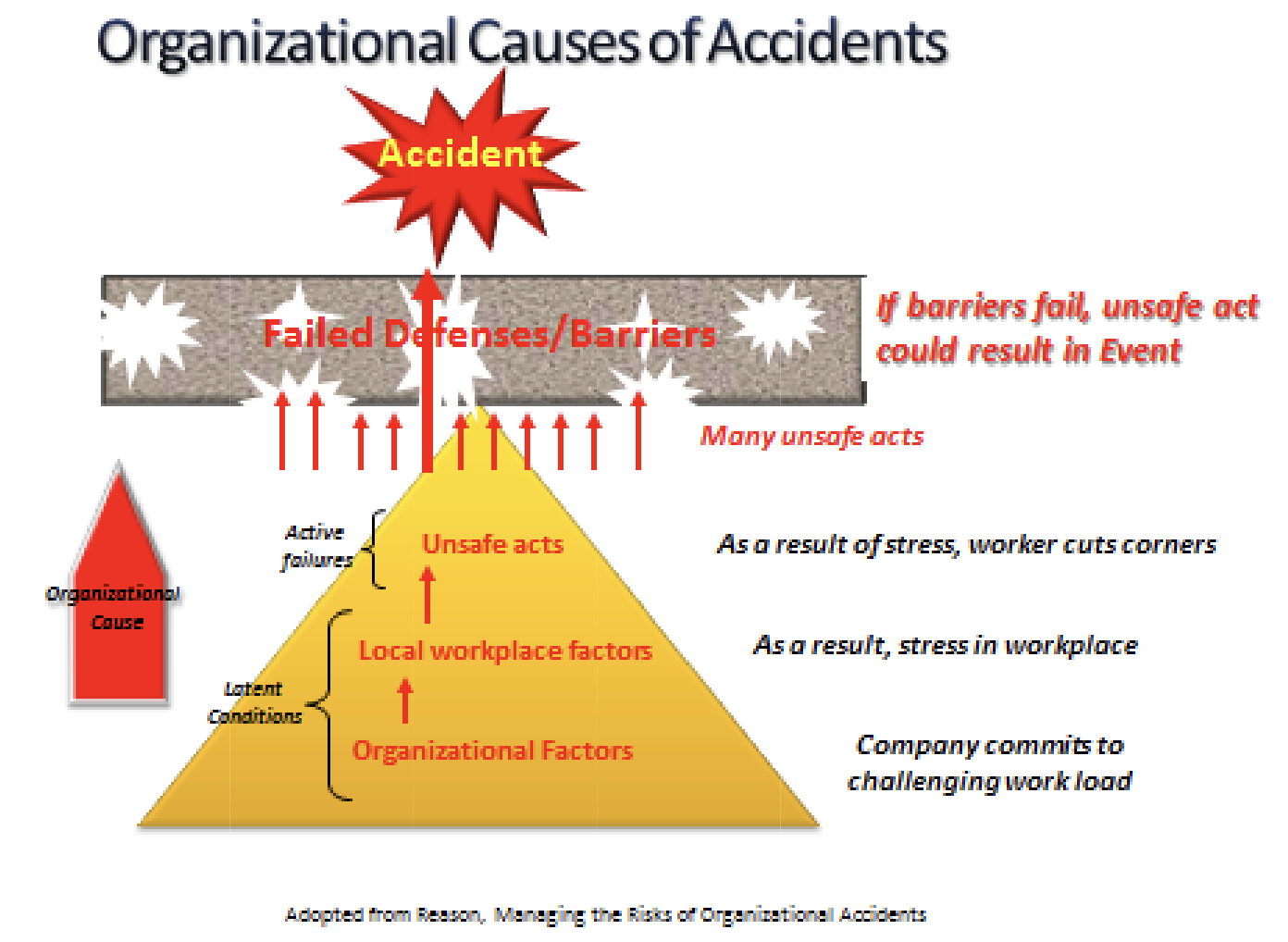
1) Shared awareness of the most significant risks and anticipate risks beyond what the most frequent accidents reveal:

  • Indicators other than incident rate;
  • Explain the content of the safety case/certificate and;
  • Fight against fatalism.

2) Questioning attitude, share the conviction that risks are never fully controlled:

  • Culture of doubt;
  • Culture of sensitivity to operations;
  • Shared vigilance;
  • Search for the root causes of events and;
  • Learning culture.

3) Integrated culture, everyone is mobilized, acknowledging that no single person has all the knowledge necessary to ensure safety:

  • Senior management, managers, employees/volunteers;
  • Support departments;
  • Interface management;
  • Employee representative bodies and;
  • Contractor companies.

4) Right balance between rule-based and managed safety, anticipate as best as possible, and deal with the unexpected:

  • Preparation for crises and unexpected events;
  • Developing resilience and;
  • Flexible culture.

5) Constant attention to the three pillars:

  • Human and organizational factors;
  • Health and safety management system; and
  • Technical safety.

6) Management leadership and employee involvement encourage safe compliance and proactiveness:

  • The importance is given to safety decision-making;
  • Participative directive leadership;
  • Dialogue;
  • Role of work groups and;
  • Debates between professionals.

7) Culture of transparency, anticipating as best as possible, and dealing with the unexpected:

  • Just culture;
  • Information flow;
  • Consistency between words and actions and;
  • Truthful external communication.


Source: RM3, 2019 – The Risk Management Maturity Model (UK’s HSE)

Scroll to Top