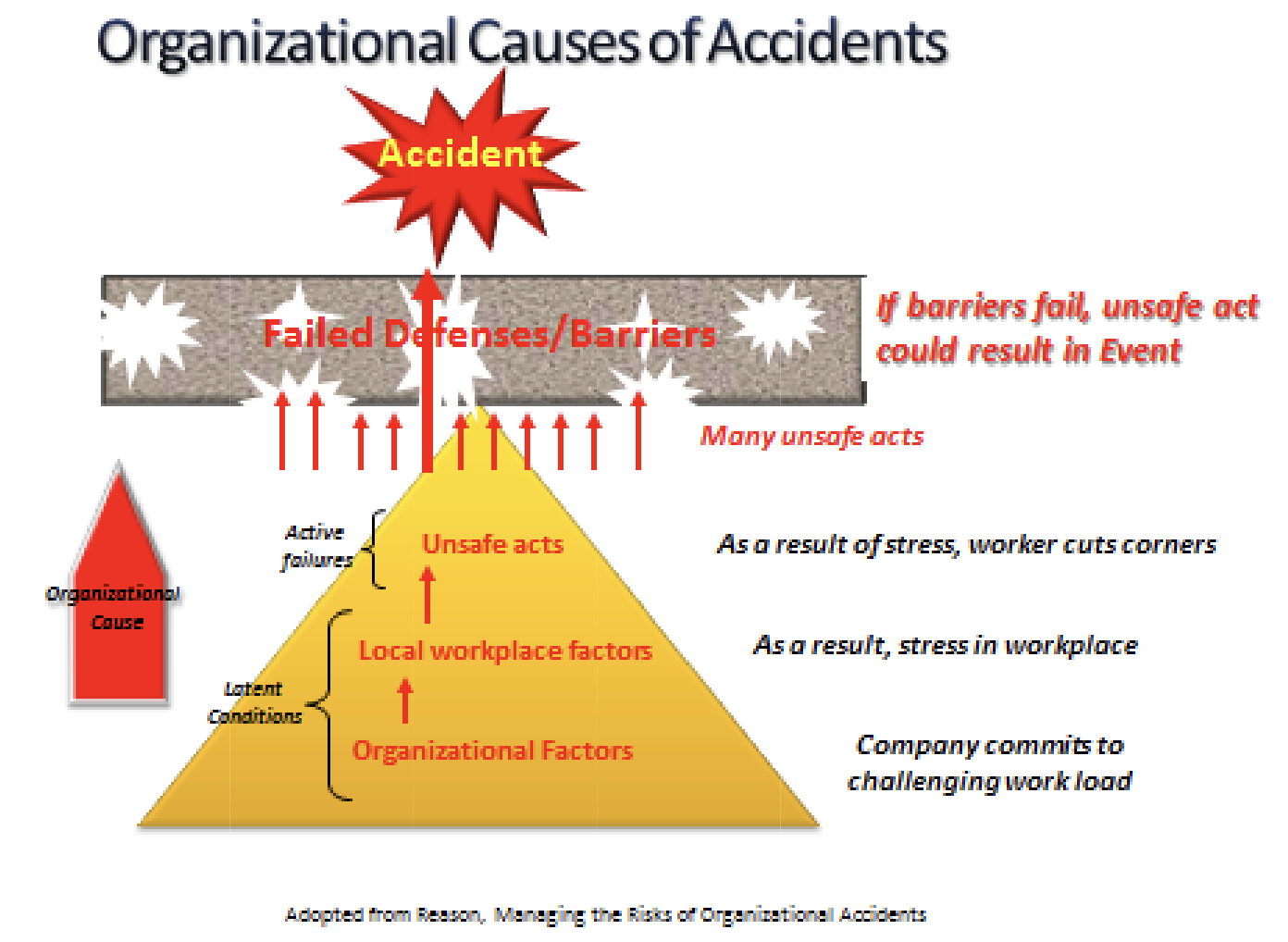
It is important to have a systematic and exhaustive decision-making process in place. While it applies especially to strategic levels, it can be adapted to all levels, because trade-offs must be made everywhere within organizations.
Recognise the existence of and the need for compromise: accept that at every level the company can die in a number of different ways (loss of customers, major quality issue…), safety is one of these ways but it is not in an isolated bubble.
Make decision-making unambiguous: openly and clearly list all the priorities involved (ethical, production, finances, safety…) and the interactions and contradictions between them. These priorities must then be represented fairly, by going around the table for each one.
Positively discriminate towards safety: evaluate how the decision might potentially impact on safety; identify any necessary trade-offs. Do not
allow yourself to step into “no-go” territory.
Communicate the decisions: be completely transparent when communicating the decisions to the managers and teams who will have to handle the situation. Explain the reasons why and the trade-offs.
Support the teams: provide training, assist the managers and teams concerned with applying the decisions.
Keep track of decisions: keep a trace of decisions so that they may be critiqued (the best form of wisdom!) and to ensure that you do not accumulate
safety trade-offs over too long a period.
Re-analyse the decisions made: gather feedback and lessons learned so as to review the decision-making process and improve the next important decisions to be made.