This article is in line with this week’s [My] Safety Thought of the Week (Manage Safety the same as Quality). I hope to explain the 3-5-year plan I offer clients who have decided it is time for a formally structured management system to manage the risks their workers face. It is a quite simple plan and is intended to take the “traditional safety program” and transform it into a measurable “Safety Process/SMS.” It is not fancy, does not need some fancy software to make it happen and requires very little capital investment. It simply takes MANAGEMENT COMMITMENT and EMPLOYEE PARTICIPATION to make it happen and to drive unbelievable improvements in both performance and culture. Here is how it works…

Step 1 – Identify the injury trends and the failures that brought about those injuries
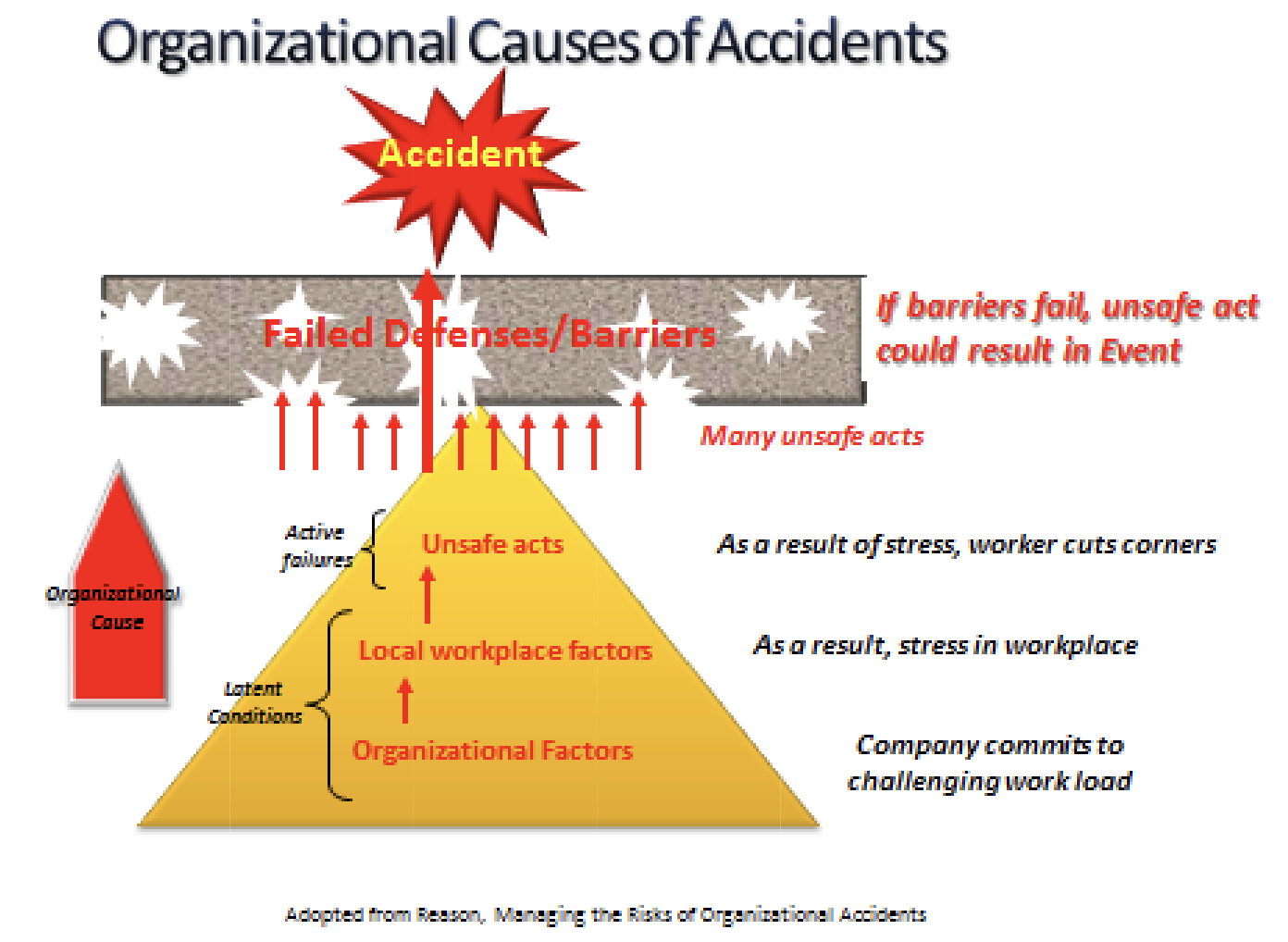
PLEASE remember that past injuries are a great starting point, but they are ONLY A STARTING POINT! But these trends offer many opportunities when we look at them through a different lens… what were the LATENT ORGANIZATIONAL FAILURES that led to the consequences? Nearly all the businesses taking this first step will find that many of the accidents will be attributable to “operator error,” “unsafe act,” etc. We need to understand what drove those errors and/or behaviors in order to really understand what we need to be working on to reduce risks.
What were the controls/barriers/safeguards that failed to IDENTIFY these errors/behaviors BEFORE they resulted in an accident? Once we understand these failures and don’t be afraid to admit we had no controls/barriers/safeguards to IDENTIFY these errors/behaviors, then we can develop an inspection/audit process to VALIDATE and VERIFY these controls/barriers/safeguards are in place and functioning and reducing the risks associated with the hazards in play. And this leads us to Step 2.
Step 2 – Auditing and Inspecting controls/barriers/safeguards
These audits and inspections are precisely what you may be thinking. We inspect our Fire Extinguishers, Exit routes, and lighting, Safety Showers/Eyewashes, etc. These are all MITIGATING devices, but they still play a significant role in lessening the consequences of an event. But we audit our safe work permits (Hot Work, LOTO, LEO, PRCS, Working @ Heights, etc.) to VERIFY the work is being correctly permitted and VALIDATE the permit issuing and working under process to ensure this Permit-To-Work process is functioning as intended. Many facilities already do these audits and inspections, so it is logical to take it to the next level by formalizing it and auditing the inspections.
Step 3 – Reward participation in the Auditing and Inspection efforts
In the early days, we need to REWARD workers (even put incentives in place) for their participation in the “SMS/Safety Process” we are building. And yes, in the early days, there will be some “pencil whipping,” which will be discovered by our auditing of these inspections. It is to be expected but not welcomed! But in the early days (1st year or so), we NEED to get participation from all levels of the organization. Remember that we are incentivizing/rewarding their PARTICIPATION – NOT the injury rates!
Step 4 – The time comes when QUALITY reigns over quantity
In year 2 or 3, we will have built up our PARTICIPATION levels, and yes, if we are NOT careful, we can turn this SMS/Safety Process into another “numbers game,” much like many do with their injury reporting. So, there will come a time when we stop rewarding for mere PARTICIPATION and begin to expect QUALITY over quantity. This shift needs to be carefully managed as we do NOT want to reduce PARTICIPATION; we just want those who are PARTICIPATING to focus more on the quality of the exercise and less on the quantity of the exercises. In fact, my annual goals will see a reduction in the NUMBER of audits, observations, etc., with a shift towards “grading” the exercise. This shift REQUIRES a level of “safety maturity” to be embraced at all levels of the organization. However difficult, it may be the most critical step in this transformation process. If not done, I promise you the SMS/Safety Process data will be useless, as it will simply produce UNVERIFIED data to meet some numeric goal the organization sets. And as we say in Six Sigma, making bad decisions on bad data is making bad decisions!
Step 5- Rinse and Repeat, based on accident/event trends
The beauty of this SMS/Safety Process data stream is it can identify failures in our controls/barriers/safeguards, allowing us to INTERVENE BEFORE an event/accident. This is how we move into a PROACTIVE SAFETY movement from the old reactive approach. As we identify trends in the failures of our controls/barriers/safeguards, we work to fully understand the causes of these failures so we can address them with REAL and CONCRETE solutions. Remember, WE ALL COMMIT ERRORS and MAKE MISTAKES; it does us no good to simply identify the errors, mistakes, or violations – we MUST understand what drove those errors, mistakes, or violations.
When we see positive trends, we adjust our resources to those areas where we see concerns! We never take our eye off the controls/barriers/safeguards that we have put in place to PREVENT-PROTECT-MITIGATE events/accidents, but knowing we are resource-limited, we MUST have a means to identify those needs and shift our resources. But at no time will we abandon any control/barrier/safeguard inspections/auditing – we simply reduce the number of inspections/audits so we can spend that time on areas where we have identified more needs.
All of this aligns with what I have written about for 25 years… the Demming model of PLAN-DO-CHECK-ACT. It really is that simple, but to pull it off requires a LOT of dedication by management and strong safety leadership to ALWAYS be there at every turn and bump in the road (and there will be plenty of bumps and obstacles). But the lack of either management’s leadership and involvement or the lack of VISUAL safety leadership in this effort, it will be doomed from day 1.