As my time in the railroad industry comes to an end, I broke the ice with the FRA through some close friends in DOT/PHMSA to understand why/how the railroads are 50 years behind the times in how safety is managed. Through our many and lengthy discussions (many thanks to E.J. and others), I received a “White Paper” on a study that the FRA did after the 2005 Graniteville, SC accident that involved a collision between two freight trains resulting in the release of chlorine, killing the locomotive engineer and eight other people and the and the 2008 Chatswort, CA when a freight train and a commuter train collided head-on. After these incidents and the other catastrophic incidents in the industries that followed, the FRA, much like OSHA and EPA did in the 1980s and ’90s, began questioning their “compliance enforcement” approach to improving safety in the industry. As they told me… “we knew there had to be a better way.” So they reviewed their “compliance and enforcement” model and found exactly what OSHA and EPA found in their studies. COMPLIANCE only gets you so far, and it does NOT manage real risk. The COMPLIANCE and ENFORCEMENT model also establishes minimums safety criteria and conditions for employers to meet the minimum standards of safety set by a government agency. Not even close to real safety management!
This “white paper” is a MUST-read for all safety professionals as it clearly shows that COMPLIANCE IS NOT THE MODEL on which we want to base our safety. It is a mere foundation from which we build a SAFETY MANAGEMENT SYSTEM, using safety science that manages RISKS rather than lagging indicators such as injury rates.
Here is the synopsis of their study, with highlights by me.
Introduction
The Graniteville, SC, and the Chatswort, CA, accidents and their aftermath capture the traditional approach to the Federal Railroad Administration’s (FRA) safety-related activities. In this approach, the FRA responds to a gap in safety, following a mishap, by requiring changes in railroad industry practice.
To complement its traditional approach to safety enforcement and compliance, the FRA has embarked on a new safety initiative called the Risk Reduction Program (RRP), which strives for safety excellence within the railroad industry by going beyond minimum safety standards and traditional safety enforcement measures. This initiative represents a NEW APPROACH TO SAFETY that will enable the FRA and the railroad industry to better manage safety through PROACTIVE METHODS.
This program aims to build upon the significant improvements in safety that the industry has achieved. The FRA has been informally experimenting with a variety of new approaches, from partnering with the industry in the development of performance-based regulations through the Railroad Safety Advisory Committee (RSAC) process to trying out new programs for learning about risk, such as the Confidential Close Call Reporting System (C3RS) and peer-based observations of at-risk behaviors in the Clear Signal for Action (CSA) program. While these efforts have produced positive impacts, they have limited scope.
The FRA seeks to develop a comprehensive approach to managing safety through partnerships with the industry that leverages railroads’ knowledge about their own operations. Other transportation modes (e.g., aviation, marine), industries (e.g., chemical process, energy), and countries (e.g., Canada, United Kingdom) have implemented similar approaches. The FRA seeks to learn from what these groups have done and adapt these methods and tools to the U.S. railroad industry.
As the FRA develops this program, it must educate employees within the FRA, as well as key industry stakeholders, of its merits. The paper is intended for FRA employees and industry stakeholders with key responsibilities for safety to help weigh the benefits and challenges of supporting this program.
The purpose of the paper is to:
- Explain why the FRA seeks a new approach to managing safety;
- Educate interested parties on the direction and approach this initiative will take;
- Explain how this new approach will complement existing methods and tools; and
- Solicit support to develop and implement the program by explaining the benefits and challenges of implementing this program.
Background
What drives the need for change?
Regulatory agencies use several strategies to ensure the public’s safety. One strategy is to enforce compliance with existing regulations, the second is to develop new regulations, and the third is to introduce innovation to the industry through voluntary partnerships.
For the enforced compliance strategy to work, the agency must have a credible threat of sanction. Sanctions, in the form of monetary penalties, do little to improve safety) but impose a cost to railroad carriers. This approach can be adversarial and punitive. In the long run, carriers work to minimize these costs. The partnership strategy addresses safety through collaboration with railroad industry stakeholders. Partnership strategies reduce costs for carriers and regulators through PREVENTION OR MITIGATION EFFORTS THAT OCCUR BEFORE HARM OCCURS. This strategy helps identify aspects of railroad operations that, if managed effectively, will prevent incidents from happening in the first place.
The FRA uses enforcement-based tools such as voluntary agreements, mandatory agreements, nonpunitive citations, and civil penalties to correct the deficiencies and violations it identifies. The FRA also uses partnership-based tools such as education, coaching, grants, and field testing of innovations to introduce new technology and safety processes in the industry. Both of these strategies enforce compliance, and voluntary partnerships also may use tools that are not program-specific, such as education, incident analysis, and joint problem-solving involving the regulator, carrier management, and labor organizations. When these voluntary partners use non-program-specific tools, they are using them to execute different strategies, but all in the service of improving public safety.
The enforced compliance approach provides benefits by codifying practices for minimizing harm to people, equipment, and the environment. Regulations provide guidance on known risks and indicate how to avoid them. When an organization or individual fails to comply with the regulations, the regulator may apply sanctions to achieve compliance with the regulations. By clarifying the relationship between compliance and enforcement, the regulated parties can understand their responsibilities and the penalty they pay for noncompliance. The enforced compliance approach reduces the likelihood of the regulator being controlled by the parties they regulate and neglecting its primary mission.
Understanding these challenges is helpful in understanding how enforced compliance works, specifically within the railroad industry. Figure 1 shows the current regulatory oversight model for managing safety. In this model, the FRA regulations address minimum standards expected of the railroads and its employees. Within the area of railroad operations, these regulations oversee the technology infrastructure, operating practices, and hazardous materials. The FRA also promotes safety at highway-rail grade crossings. FRA employees monitor the railroads’ compliance with these regulations through inspections (direct observations and audits of the railroad records) and analysis of data (e.g., accidents, incidents, reportable events, etc.). Analysis of this data, along with information from FRA inspectors, contributes to the identification of gaps in the regulations. Knowledge about information gaps contributes to the regulation revisions.
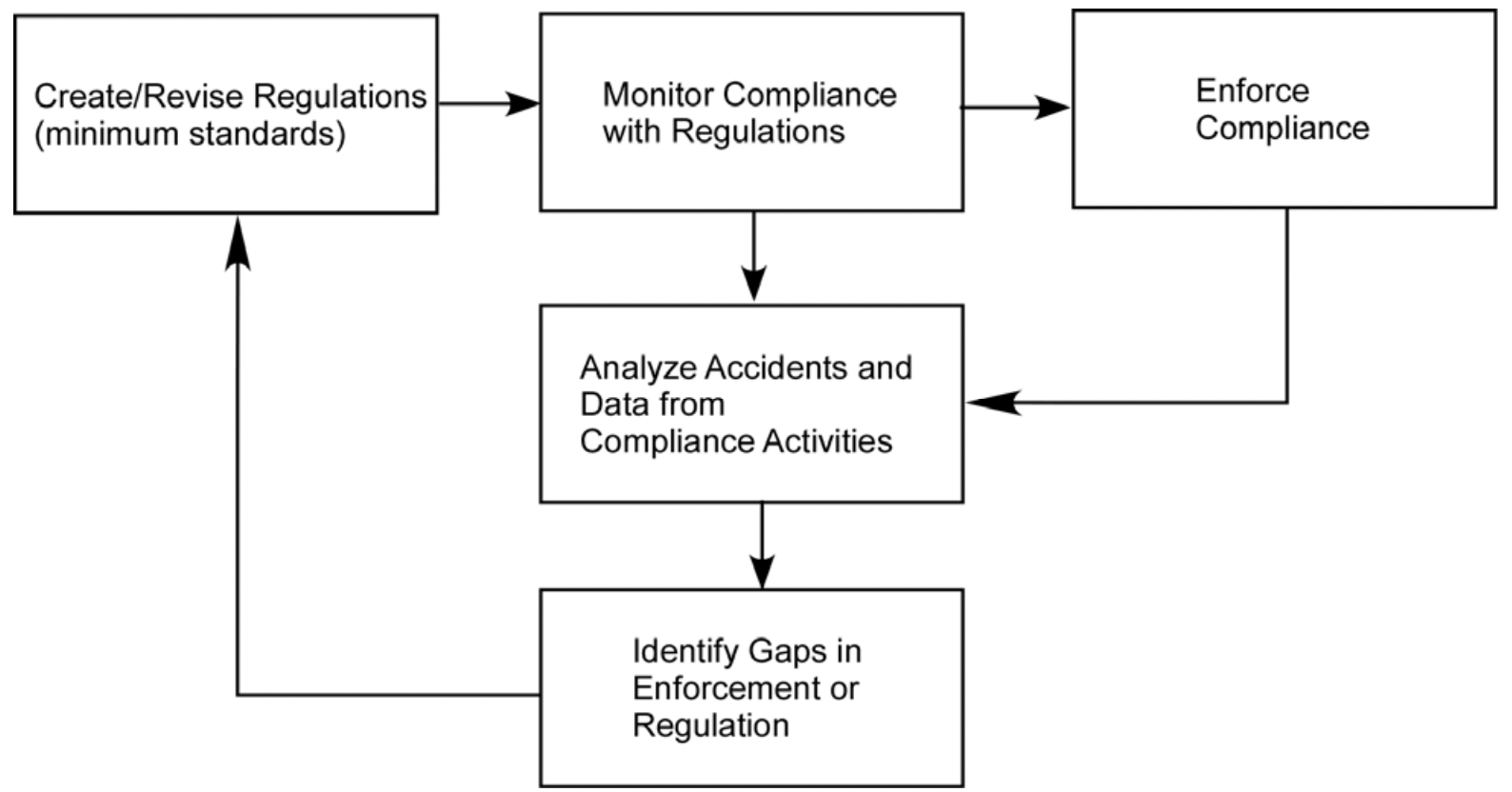
Figure 1. Model of FRA regulatory process for safety
The current regulatory model shown in Figure 1 is a feedback-based process. The process for controlling safety is based upon a feedback loop that requires detecting a deviation from a desired state before making changes. Like all feedback-related processes, it is inherently a reactive process akin to driving a car by looking through the rearview mirror. It shows you where you’ve been, not where you are going.
Limits on a regulator’s time and resources make it impossible to inspect and enforce all aspects of an industry that are covered by regulation. Due to resource limitations, the FRA only inspects about 0.2% of railroad operations. To make the most of limited resources, the FRA has adopted a risk-based approach to decide where to focus its monitoring and enforcement activities. This information includes accident investigations and incident data, the results of field inspections, and onsite audits. Currently, the information that the FRA collects to inform its risk-based decisions, while valuable, gives an INCOMPLETE PICTURE OF RISK. Much of this information focuses on front-line employees, and the data gathered often excludes upstream processes.
Upstream processes include factors that are farther away in time and space from the unwanted event, including design practices, policy and goal conflicts, and management and supervisory influences. As a result, the carrier and the FRA may lack information about how these other factors play a role when failures occur despite the barriers designed to protect the people, equipment, and the environment from harm. There is a need to capture information about how these upstream processes influence safety. Currently, the FRA’s accident database lacks codes to enter these factors. As a result, the FRA may not be addressing important risk factors.
Legal action impedes the ability to learn from unsafe events
Despite the many improvements made throughout the industry regarding safety, the litigious environment associated with the Federal Employee Liability Act (FELA) can act as a DISINCENTIVE TO PROBLEM-SOLVING AND CORRECTIVE ACTIONS. Within the railroad industry, FELA, a law passed by Congress in 1908, enables railroad employees the right to recover damages for any injury that results from the carrier’s negligence, through court proceedings. However, FELA may exacerbate the desire to deflect blame and liability so that each party can make the case that the other party is responsible. When an unsafe event occurs that involves injuries, FELA encourages both parties to focus on protecting their legal interests at the expense of improving safety.
Regulations can’t keep pace with the rapid pace of change
The pace of technological change has quickened over time, with each cycle of change growing faster and faster. However, the pace of creating new regulations to address technological change, as is happening in other industries, has not kept up. For example, it took 3 years to approve the human factors operating regulation that the FRA created due to the accident in Graniteville, SC. This rule involved the use of “older” technology.
The standards for developing and using the processor-based signal and train control rule involving the use of new technology, approved in 2005, took over eight years to implement. The FRA and the industry would benefit from an alternative mechanism to monitor and manage safety to cope with the faster pace at which the industry is changing. The impact of modern technology has also resulted in growing complexity within the railroad industry. While the latest technologies have continually contributed to safety and productivity improvements, the increasing complexity of railroad systems may provide more paths for failures to occur, making it more difficult to determine WHY they occur. Those responsible for assessing system safety must be knowledgeable about multiple disciplines, while individuals responsible for safe operation may understand only a portion of how the system interrelates with the overall system and related processes.
Like other transportation modes and high-hazard industries, the railroads use multiple barriers to prevent unsafe events. When an accident occurs, it is rarely the result of a single failure; normally, multiple barriers fail. However, the current FRA accident reporting regulation requires the railroad to identify only a primary and a secondary cause. The increasing complexity of railroad systems means that they may fail in ways that the designers or approving officials did not anticipate. High-profile accidents like the release of radioactive nuclear materials at Three Mile Island and the Exxon Valdez oil spill were prompted by situations that were unfamiliar to the workers involved and unanticipated by the designers. FRA recognizes the increasing complexity of railroad systems and seeks tools to identify new risks that may emerge as a result of this complexity.
Pressure from stakeholders outside the industry
Another factor driving the need for change comes from pressure by stakeholders outside of the railroad industry (e.g., the public, the media, and Congress). As safety has improved, these stakeholders have come to expect continued safety improvements. Figure 2 shows a chart of train accident rates from 1977 to 2007 as a function of train miles traveled and employee hours worked. For both measures, the chart demonstrates that the industry has significantly reduced accidents from 1978 until 1986. From 1987 until the present, accident rates go in different directions, depending upon the measure used. For train miles, the accident rate shows a small decrease from 1987 until 2007. For employee hours, the accident rate shows a larger increase between 1987 and 2007. Given the differences between these two measures, which one gives us a more accurate picture of risk?
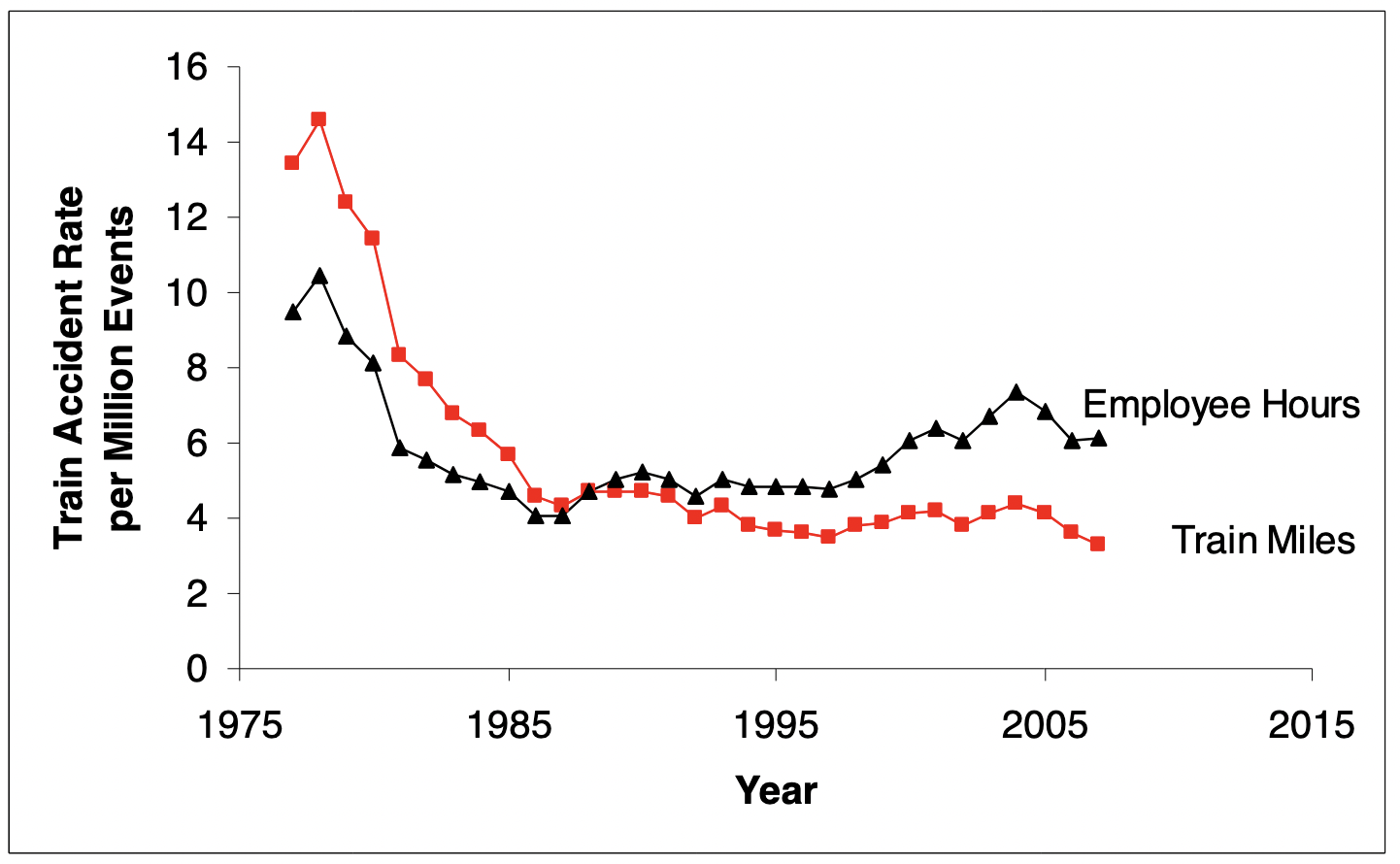
Figure 2. Train accident rate by train miles and employee hours
Implicit in the desire to improve safety is the focus by some stakeholders on counting failures as a measure of safety; safety is measured by the number of accidents the industry prevents. In this situation, safety is measured by the absence of unsafe events. How do we know how many accidents have been prevented? Accidents represent an imperfect measure of system safety. They represent a lagging safety indicator that tells us about the risks the system has already experienced.
Studying accidents is still important to identify why they occurred to prevent future occurrences. However, accidents may not be predictive of future sources of risk. How do we predict where the next accident might be, so we can devote resources to prevent and mitigate it? When accident rates are low, as they are for train collisions, this information cannot help identify new risk sources.
These external stakeholders look to the FRA to hold the industry accountable when accidents occur. This accountability has manifested itself in a call to more strictly regulate the industry by imposing more civil penalties, more inspections, and more regulations. For example, between 2004 and 2005, the New York Times wrote a series of articles and editorials that were critical of the FRA and industry efforts to reduce accidents at highway-rail grade crossings. The New York Times recommended increased fines, while members of Congress called for more inspections of highway-rail grade crossings. The New York Times also criticized the partnerships between the railroad industry and the FRA. Adverse publicity pressured the FRA to step up its regulatory and enforcement activities. However, there is no evidence to show that these actions, proposed by the media and Congress to hold the railroads accountable, actually improve safety outcomes OVER THE LONG TERM. The media and Congress focused on the role of the railroad without adequately considering the role of motorists in contributing to these accidents.
Because the FRA can only monitor a small portion of railroad operations, it seeks innovative ways to monitor safety within the industry. Given each railroad’s more intimate knowledge about its own operations, it makes sense to assist and empower the railroads to more effectively manage safety with NEW ACCIDENT AND INJURY PREVENTION ALTERNATIVES within their own operations.
The negative publicity of accidents like the one in Graniteville has the potential to punish the railroads economically. The release of hazardous materials that killed several people caused many cities to rethink whether they wanted trains to carry hazardous materials through their jurisdictions. Several cities (e.g., Washington, DC; Boston; Philadelphia; Baltimore; Cleveland; and Chicago) proposed bans on carrying hazardous materials that would have adversely affected the railroads’ operations. In addition, the Pipeline and Hazardous Materials Safety Administration developed a new regulation, with advice from the FRA, that requires railroads to evaluate the safety and security risks for the primary and alternate routing of hazardous materials.
Within the Government, there is a call for Federal agencies to demonstrate that their activities exert a positive, measurable impact. However, the General Accounting Office and others judged that it was impossible to determine the extent to which safety improvements observed since the passage of the Staggers Act in 1980 were attributable to FRA regulatory and non-regulatory activities and how much of the improvements were attributable to investments by the railroads. The FRA believes its existing methods for managing safety have made significant contributions to safety. The FRA is also committed to supplementing existing methods with new approaches to manage safety in ways that the existing methods do not address.
What are the challenges to the traditional methods for managing risk?
To understand the challenges the railroads face in MANAGING RISK, it is useful to describe the history of how the railroads, as well as other industries, have addressed the problem of managing risk in the past. Andrew Hale identified three paradigms common to high-hazard industries. They include:
- use of technology,
- controlling human performance through operating practices, and
- system design
The first two paradigms are well entrenched in the railroad industry. The third paradigm has begun to play a role within the U.S. railroad industry.
Paradigm 1: Controlling human performance through the use of technology
The first paradigm for managing risk involves technology-based, problem-specific solutions (e.g., personal protection equipment, air brakes, and signal systems). In both of these cases, RISK INVOLVES MANAGING VARIABILITY IN HUMAN PERFORMANCE. Technology was often seen as replacing a variable, error-prone process (human activity) with a less variable, non-error-prone process (technology). In the railroad industry, recent examples of technology include positive train control, electronically controlled pneumatic braking, and remote control of locomotives.
The introduction of new technology presents several challenges. Traditionally, technology in the railroad industry must coexist with legacy systems; new technology is often introduced as an add-on to the existing technology and the operating practices supporting it (e.g., adding a signal system, such as centralized traffic control, that was previously controlled by automatic block signals). This limits the use of that technology while adding complexity. The new system also inherits some of the failure modes associated with the legacy system, along with new ones that may not be evident from the interaction between them. For example, introducing a train control technology that will stop the train if the locomotive engineer exceeds his/her authority may change how the engineer handles the train. Depending upon the algorithm that determines the conditions under which the train is stopped, the engineer may engage in train handling practices that put train at risk of a derailment.
The reason for adopting this approach is if the current technology fails, the system can revert to a previous version without compromising safety. However, the two technologies may interact in ways that are unanticipated. For example, introducing a positive train control system can change how the engineer controls the train. When the new system fails, the engineer’s new train handling procedures may not be appropriate when using only the legacy system. The railroad environment, like other industries, changes continuously. For the technology solution to remain viable, continued changes to the technology or the larger railroad system itself may need to occur.
Designers have often introduced technology without fully considering how the employees would interact with it. For example, the use of cell phones has contributed to unintended consequences for motorists and locomotive engineers. Cell phones can distract the operator from focusing out the window on potential hazards and can contribute to accidents. The use of cell phones in motor vehicles and the phones’ ability to distract the operator represents an unintended consequence.
Paradigm 2: Controlling human performance through operating practices
The second paradigm focuses on controlling variability in human performance through operating practices and discipline.
SAFTENG NOTE: The word discipline does not refer to punishment in this context.
Risk is PARTLY controlled by minimizing uncertainty around human performance by prescribing rules of behavior. While operating practices help to CONTROL VARIABILITY AND CONTRIBUTE TO SAFETY, they also contribute to significant problems. These problems can either contribute to violations taking place or explain why violations took place. Table 1 lists some of the problems that the use of operating rules creates.
Table 1. Challenges Posed by Use of Operating Rules
- Could be perceived as protecting management from accountability
- Pressure to trade off production needs against strict compliance (lack of management commitment)
- May be impractical to comply with, as written
- Employees violate rules for individual benefit
- Inadequate understanding of safety risks
- Not fully understood, too many rules, or too complex
- Out-of-date or irrelevant
Consider, for example, an organization that adopts operating rules that all employees must follow to reduce or eliminate errors. When someone breaks an operating rule, the errant employee is punished. The goal is to provide a regular process in which all employees behave in the same way. The carrier and the regulator view rule compliance as a prerequisite to predictable performance.
The research literature suggests that when accidents occur, sometimes the organization analyzes the events to the point that it finds non-compliance with rules and applies discipline to the offending employees. If the employees break no rules, new rules may be developed to protect against unanticipated problems or challenges. This may increase the number of rules without necessarily improving safety. In this view, HUMAN ERROR IS PERCEIVED AS THE CAUSE OF A FAILURE RATHER THAN A SYMPTOM OF TROUBLE WITHIN THE SYSTEM. Accident analysis frequently reinforces this view through hindsight bias. In hindsight bias, the investigator asks what the employee should have done, given his/her view. The investigator explains the failure by finding incorrect decisions and inaccurate perceptions. The alternative is to understand the event from the perspective of the involved employee at the time of the event, as discussed in the next section describing a NEW APPROACH TO MANAGING RISK.
Paradigm 3: System design
Moving to a Systems Safety Approach
The third and most recent safety paradigm SHIFTS THE FOCUS AWAY FROM THE INDIVIDUAL AND TECHNOLOGY TO SYSTEM MANAGEMENT. In this model, the organization considers the design and MANAGEMENT PROCESSES as well and the impact of the front-line employees and technology. The organization PROACTIVELY IDENTIFIES RISKS to people, equipment, and the environment, beginning at the design stage and continuing throughout the system’s life cycle (i.e., a railroad system).
This approach focuses on PROACTIVE RISK IDENTIFICATION AND CONTROL (i.e., before it has adverse consequences to the organization) as part of the overall management process. This LEARNING ORGANIZATION shares information broadly to inform its employees and bottom-up participation to help IDENTIFY AND CONTROL those risks. The FRA and key railroad industry stakeholders are adopting this approach to safety. The goal is to think about risk, from the initial design all the way through operations, maintenance, and disposal and considering the impacts of technology, people, and organizations. Impacts from the public and the media, Congress and State legislative bodies, and regulatory agencies should also be considered.
In Figure 4, the enclosed box on the left displays the system development lifecycle, from planning and design through disposal. At each step, someone must IDENTIFY THE RISKS to the system so they can be managed through PREVENTION AND MITIGATION.
Risk prevention represents the system defenses or barriers put in place to prevent an unwanted consequence (e.g., a train collision).
MITIGATION MEASURES occur after an unwanted consequence takes place to minimize the severity of the consequences.
The challenge for the railroad is deciding how to allocate limited resources to a large number of risks. The enclosed box on the right in Figure 4 displays the interactions between the different components of the system during its operation. Given the dynamic environment in which railroad operations take place, risk changes continually. The challenge is to IDENTIFY THE CURRENT RISKS facing the system so they can be managed. Over time, the ever-changing environment in which the system operates leads to changes in the design of the system. New components may be added or removed. These changes, in turn, contribute to changes in the operation of the system. Factors outside the system influence both design and operation. These factors include the public and the media, Congress and State legislative bodies, regulatory agencies, and railroad organizations. This influence is bidirectional, as feedback from the design and operation influences how these parties think about the system.
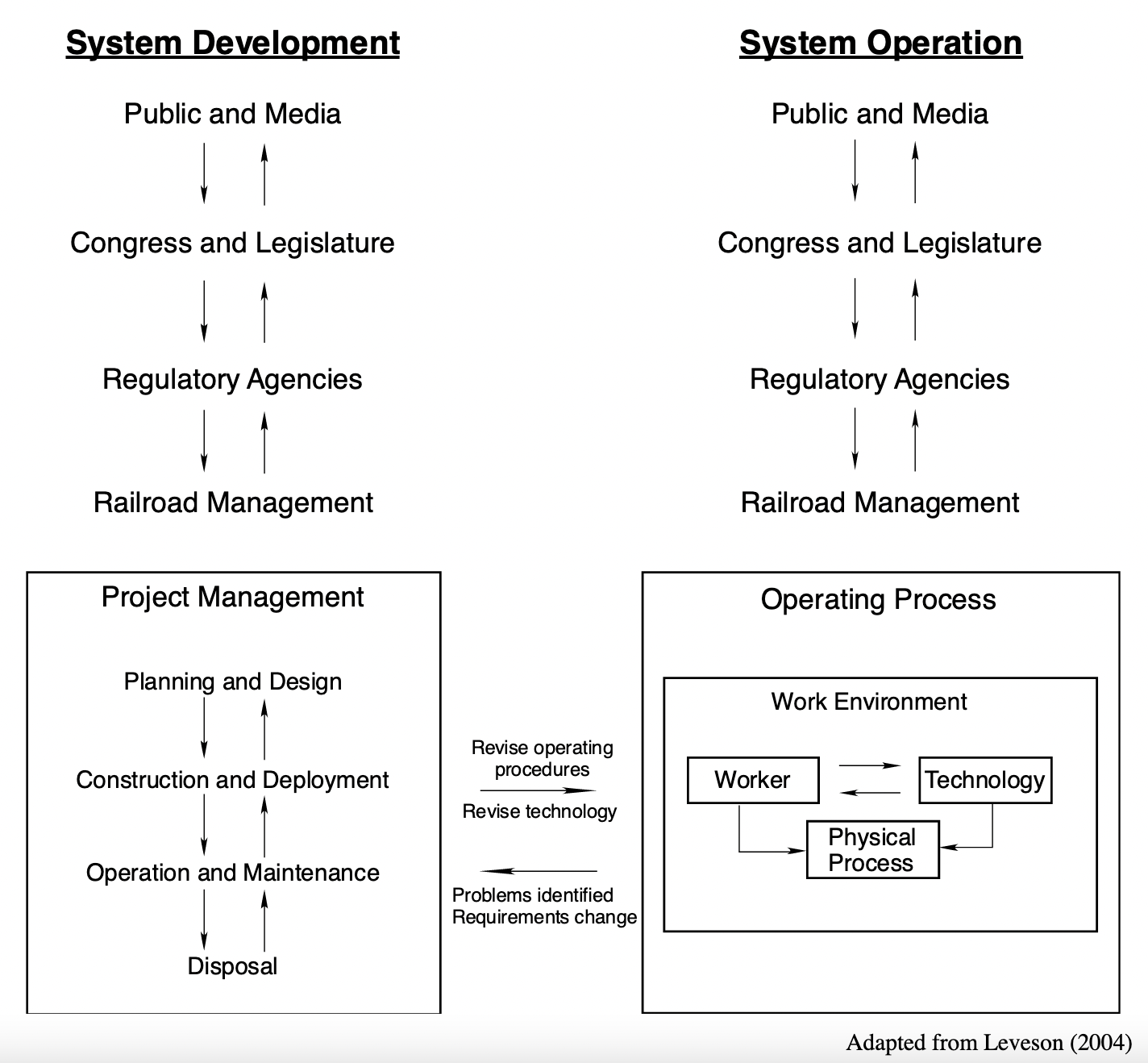
Figure 4. Sociotechnical model of a railroad system
This approach to managing risk also SHIFTS THE FOCUS FROM HUMAN ERROR AS A CAUSE OF UNSAFE EVENTS TO HUMAN ERRORS AS A SYMPTOM OF PROBLEMS WITHIN THE SYSTEM. The goal changes from assessing blame to either the front-line employees or management to identifying sources of variability and learning how to manage it. This approach ATTACKS THE PROBLEM RATHER THAN THE PEOPLE. Human error is connected to the individual’s tools, tasks, and operating environment.
The challenge is to find out how the tools, tasks, and operating environment create the potential for unwanted consequences (e.g., an accident or injury). HUMAN ERROR IS PART OF THE HUMAN CONDITION AND CANNOT BE COMPLETELY ELIMINATED. However, organizations can manage human error by designing the system to accommodate errors. Designers can adapt technology to address human limitations. Similarly, railroads can create operating practices that recognize human strengths and weaknesses. IDENTIFICATION OF RECURRENT HUMAN ERRORS IN A RAILROAD SYSTEM INDICATES THE NEED FOR CHANGES IN THE SYSTEM SO THAT THE ERRORS DO NOT RESULT IN HARM TO PEOPLE, EQUIPMENT, OR THE ENVIRONMENT.
A New Approach to Managing Risk: From Reactive to Proactive
MEASURING THE PROCESSES THAT CONTRIBUTE TO SAFETY. This new approach to safety includes more than thinking about railroad safety from a systems view. This approach considers safety in terms of the proactive processes that take place as well as the reactive processes. While railroads benefit from investigating why accidents happen to understand what went wrong, they also benefit from identifying and measuring the processes that contribute positively to safety and contribute to accident prevention.
Traditional safety measures focus on lagging indicators (e.g., accidents, violations, activation failures, false proceeds) of events that organizations don’t want to occur. In contrast to collecting safety measures that reflect only the absence of unsafe events (e.g., accidents or incidents), this approach will also consider developing positive safety measures.
Employers respond to failures and gaps by reacting and adapting to these events. They anticipate problems and develop solutions. The FRA and the industry lack performance metrics that capture these constructive behaviors. The FRA and the industry also need to collect information on accident precursors. Precursors include lagging indicators such as reports of close calls as well as leading indicators that anticipate the likelihood of risk, so the FRA and the industry can act to maintain safety within acceptable levels (e.g., the percentage of safe behaviors observed).
What is the distinction between risk and safety?
Traditionally, risk and safety have represented two sides of the same coin.
Risk is defined as the probability of an unwanted outcome, as measured by the likelihood of unwanted events times the severity of that event. Risk models focus on why accidents and incidents occur.
Safety can be defined as the absence of risk.
In this view, risk and safety involve preventing something bad from happening or protecting against its consequences. The problem with this definition of safety is that it is difficult to measure. How does one measure something that is not there? If safety measures (e.g., accidents) are extremely low, as they are in nuclear power and commercial aviation industries, how do we measure changes in safety over time?
There is an alternative way to think about safety alongside the traditional one. In this view, safety represents the processes for preventing or mitigating harm. SAFETY IS MEASURED BY SOME POSITIVE EVENT, FOR EXAMPLE THE NUMBER OF SAFETY AUDITS CONDUCTED, OR THE PERCENTAGE OF SUBSTANDARD CONDITIONS IDENTIFIED AND CORRECTED. In this view, safety increases as the number of positive events increases. In moving toward a proactive approach to safety, this method directs our attention to the positive processes that contribute to safety.
Both methods are useful in managing safety. As the railroad industry reduces the number of accidents (e.g., train collisions), the absence of unwanted events (e.g., accidents or incidents) does not mean that the safety process is under control. Positive measures of safety provide a way to continue to measure safety when our traditional measures become uninformative.
Safety is an emergent property that changes over time. Safety is not something that an organization has, nor does it remain static over time. Instead, safety represents an emergent property of the railroad system that continuously changes as a function of how it operates. Safety changes continuously as a function of internal and external sources of variability. For example, the railroad industry is undergoing a generational change with the retirement of thousands of older employees and hiring of new employees. This turnover in labor will impact safety in ways that will need to be carefully monitored. The organization’s challenge is to keep their processes under control by managing these sources of variability. While many sociotechnical systems focus on staying in control by managing variability associated with human performance, other sources of variability play a role as well, such as human performance, technology, and organizational factors. Table 2 lists some of the sources of variability that influence system performance.
Table 2. Sources of Variability that Affect System Performance
Human Performance: Efficiency–thoroughness trade-off
Technology: Design flaws and failures during operation
Organizational: Negligent safety culture
Missing Barriers: Unanticipated consequences and limited maintenance
External Sources: Suppliers, contractors, customers
Environmental Factors: Weather, workplace conditions
Hazardous events like accidents emerge not simply from human or technological failures but from the operation of normal systems under pressure. These pressures may be economic, social, and political. How do we manage safety, when the same forces that contribute to safety also contribute to failure?
An aspect of the new approach is to USE DATA OTHER THAN SAFETY OCCURRENCES (LAGGING EVENTS) TO MONITOR SAFETY. When trying to manage safety through a traditional feedback-based control system, eliminating all variability in a measured process means that the system has no information on which to react. The absence of negative events (e.g., accidents) can also result in a reduction in investment in safety management due to the belief that the process remains under control. Therefore, other indicators of safety are needed, and they help to manage variability.
One approach to managing variability requires determining the boundary (i.e., risk tolerance) within which the organization can perform safely and controlling the sources of variability so that performance remains within this envelope.
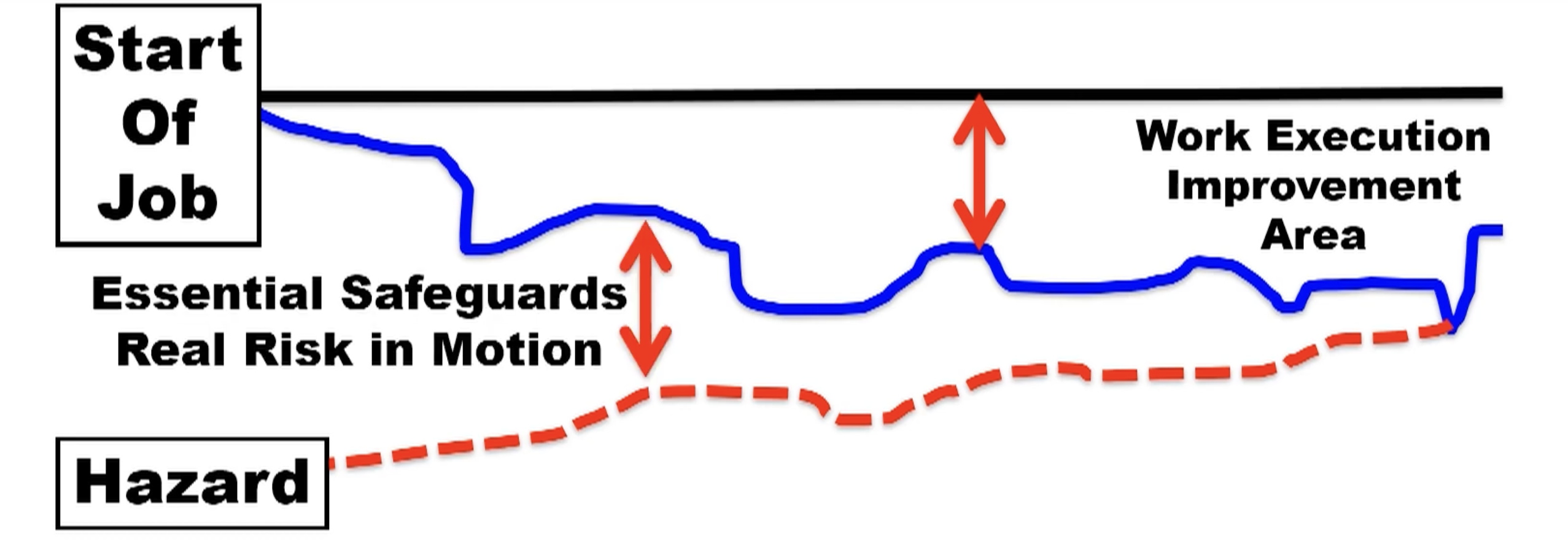
Source: Todd Conklin and NOT part of the FRA white-paper; added by me
This approach is captured in the notion of RESILIENCE. Erik Hollnagel defines resilience as the intrinsic ability of an organization to maintain a dynamically stable state in the presence of continuous stress or to regain a dynamically stable state, which allows the organization to continue operations after a mishap. Resilience refers to an organization’s CAPACITY TO LEARN AND ADAPT to constantly changing conditions.
Resilient organizations look for sources of strength as well as weakness. They seek to manage failure by anticipating paths to failure and addressing them. They constantly seek out information about how work is actually being performed (compared to the imagined view) and the state of the system’s defenses. They also seek out what makes work difficult and develop strategies to meet new demands.
Create ACCOUNTABILITY through the adoption of a LEARNING CULTURE
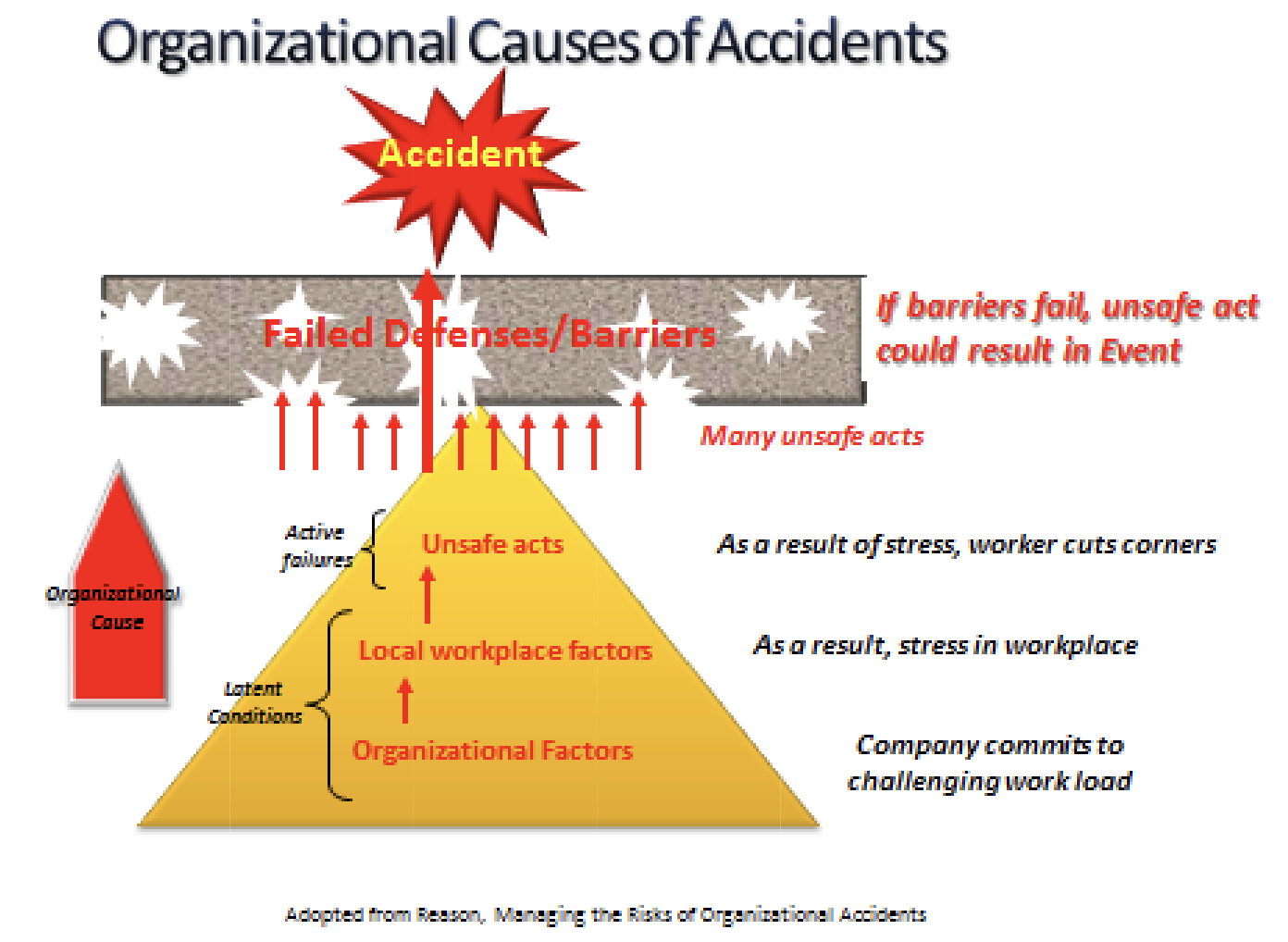
Accountability is still important at both the individual and organizational levels. However, holding people accountable does NOT mean punishing management or the employee closest to the event (Active Failures). Instead, accountability means identifying the factors that contribute to the problem (Latent Failures) and using these failures as learning opportunities to correct them. The goal is to work towards a JUST CULTURE. A just culture seeks openness and transparency but does NOT tolerate all behavior. The stakeholders strive for consensus on what is within the boundaries of acceptable behavior and what is outside those boundaries.
Accountability has different implications for different parts of the organization. Individual employees have a responsibility to identify and disclose safety issues. At all levels of the organization, individuals have a responsibility to examine their own roles in contributing to the situation – why did they follow a particular course of action? Organizations have a responsibility to IDENTIFY THE CONDITIONS OR ENVIRONMENTS THAT CONTRIBUTED TO UNSAFE SITUATIONS, identify ways to resolve these conditions, and implement CORRECTIVE ACTIONS to to address them. When an individual or group implements CORRECTIVE ACTION, someone bears the responsibility to determine the ACTION’S EFFECTIVENESS.
THE ORGANIZATION ALSO BEARS A RESPONSIBILITY TO SHARE THIS INFORMATION BROADLY, SO EVERYONE HAS AN OPPORTUNITY TO LEARN FROM IT.
It requires an open conversation between parties to resolve conflicts that arise.
Constructive ways to improve the culture towards more LEARNING, ACCOUNTABILITY, AND MAKING VULNERABILITIES MORE TRANSPARENT EXIST. One example of this process is the C3RS demonstration project. C3RS represents a cooperative effort between the railroad industry and the FRA to identify system vulnerabilities through employee reporting of close-call events. Another example is the CSA project, which empowers employees to observe each other in order to identify at-risk behaviors and provide feedback to correct them in a nonpunitive way. These projects enable the railroads to identify safety issues so they can keep sensitive information confidential yet still share safety-related information so that the stakeholders can learn important lessons.
Benefits of Participation
The previous two sections provided a framework for the RRP. The actual programs implemented will be decided upon by mutual agreement between the FRA and the participating stakeholders. Examples of existing programs that could fit within this framework include behavior-based safety programs like CSA and Safety Through Employees Exercising Leadership (STEEL), the C3RS, and the Track Quality Index Program (real-time performance-based track geometry inspection).
The RRP provides an opportunity for the FRA and industry to jointly explore innovative ways to improve safety beyond the current methods. The FRA has adopted the following criteria, shown in Table 3, to use in guiding projects to include within the RRP. The criteria foster the spirit of the joint partnership the FRA seeks with the industry in moving towards safer operations described in the previous section.
Table 3. Criteria for Project Selection
- Commitment and engagement from all key stakeholders
- Voluntary non-punitive participation
- Collection and use of “upstream” predictive data
- Systematic and objective data gathering, analysis, and reporting
- Problem-solving and corrective action (e.g. Causal Analysis and Corrective Actions)
- Creation of long-term sustaining mechanisms (e.g. SMS approach)
In addition to the direct benefits of working with the FRA that are described above, the railroad industry can achieve the following benefits by practicing PROACTIVE RISK REDUCTION METHODS:
- IDENTIFY risks before they result in harm
- REDUCE the potential consequences of a mishap
- Build trust and stronger relationships industrywide
- Create more cooperative relationships between stakeholder groups
- Decrease the need for enforcement actions
- Decrease the need for new regulations
- Decrease safety-related costs
Challenges to Moving Forward
There are a variety of challenges to implementing the RRP. One of the challenges participants will face is the tension between the enforced compliance approach and the partnership approach. The concurrent use of both enforced compliance and voluntary partnership approaches has the potential to confuse employees and carriers. How does the carrier reconcile the use of enforcement activities that involve penalties while participating in safety initiatives in which the FRA provides regulatory relief? This tension creates confusion concerning the level of commitment by management in these new programs and makes them more difficult to implement. How do employees participate in programs in which safety culture is being improved, and they are still being subjected to punitive discipline policies when not operating within the boundaries of the RRP? The FRA will address conflicts and tensions that arise through communications within the FRA and with its industry partners.
Another challenge requires overcoming resistance to change
Trying a new approach carries risks and may challenge the conventional ways of doing things. In some cases, trying a new approach may require giving something up. Without the knowledge that this new approach will work, some stakeholders may be reluctant to try something new. Overcoming internal resistance to change will require champions within each stakeholder group to explain the benefits of trying these new approaches to safety. To address resistance from outside the industry requires demonstrating the benefits of the approaches with objective safety data. We must demonstrate to those stakeholders outside the railroad industry that the new safety approaches merit our consideration.
Another challenge in implementing these approaches is the bias for action in favor of reflective thinking and the time necessary to show that the new tools work effectively. With traditional safety methods, we respond to problems with the existing toolkit of regulations, operating rules, and company policies. However, the new approach, with its view of railroad operations as a complex system, offers solutions that are more difficult and time-consuming to implement. Teaching employees to use some new approaches will require training and an iterative approach to tailor the new safety approach to the railroad environment.