
The SIF debate is alive and well in the EHS community

For me, SIF is just using Process Safety Management (PSM) tools for lower-frequency, higher-severity events, whereas traditional “recordable injuries” can be managed with the traditional Safety Management System (SMS).

But here is the catch… the consequence may be more severe (serious), but the failures that led to those consequences can all be traced back to the failure of our Controls/Barriers/Safeguards – whether they be from the PSM or SMS.

For example:
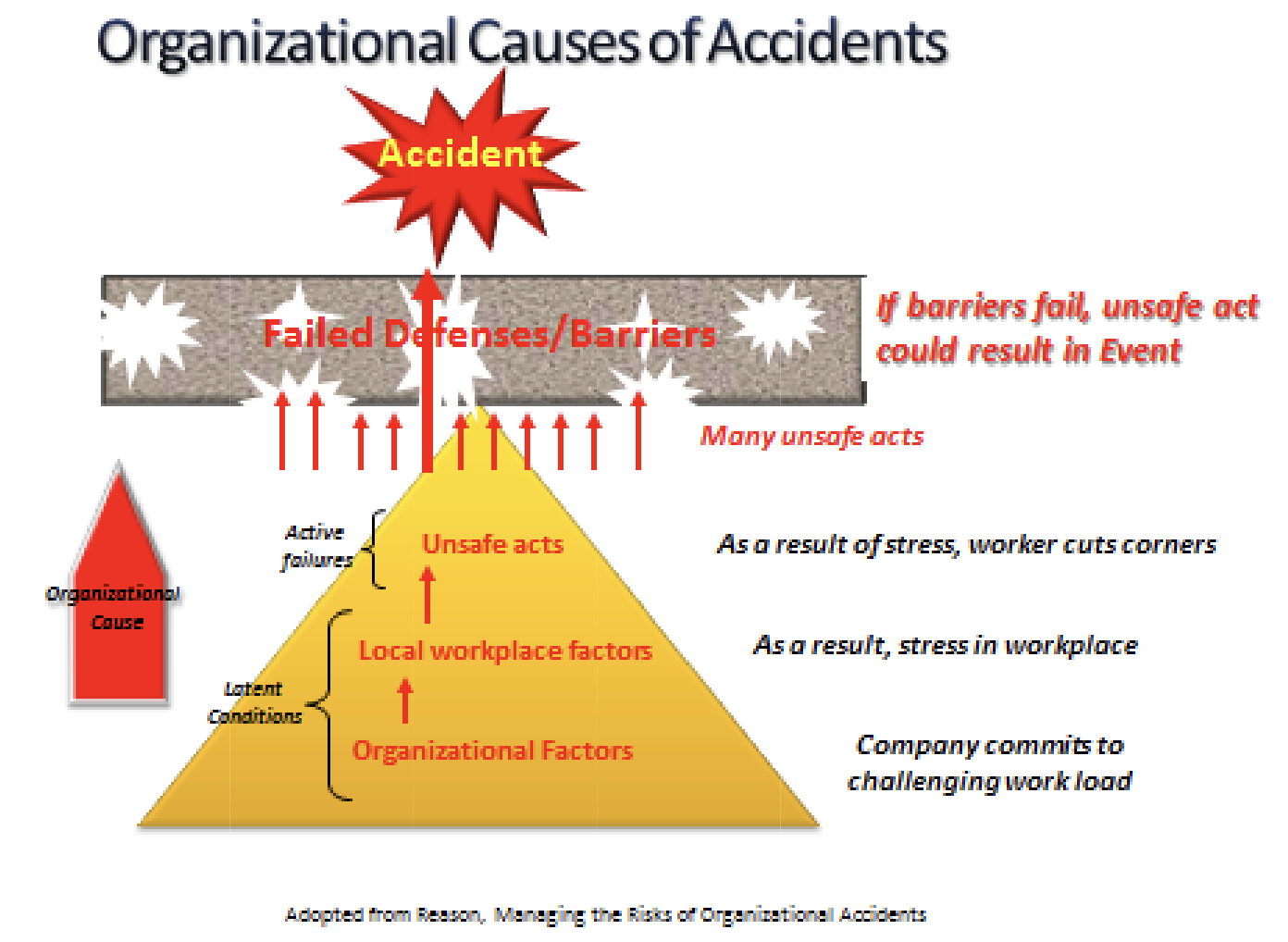
a worker performs servicing and maintenance on a piece of energized equipment. His/Her injury could be a laceration requiring stitches, an amputation of an appendage, or a fatality. However, the one common theme in all three (3) varying severity of consequences lies in the SINGLE FAILURE of our LOTO safe work practice.

So many people think SIF requires another special safety program that they have to hire a consultant to implement. This is simply not true! Most municipalities have tremendous opportunities to improve their written programs/practices, safe work permitting, education/training, and auditing of their Life Safety Programs (or SIF controls) to reduce overall risks. It’s just some good old-fashioned PDCA model of safety management.
These programs/practices are those that a failure within could result in a SIF: LOTO, PRCS, Line/Equipment Opening, working at heights (including MEWPs), HOT Work, and ESRWPs, to name some common and far-reaching programs. Improve the controls around these weekly high-risk activities, and we can reduce our risks substantially.

And if you think you’re already near perfect with these SIF controls/barriers/safeguards give us a call and we can schedule a SAFTENG audit to help the organization discover those “opportunities” I speak of.

Scroll to Top