
Understanding your decisions and the risks

As one of my favorite authors said in his book “Risk Makes Sense”…

Remember that the biggest danger in risk assessment is not the threat itself but the mind space of the person who overlooks, underestimates, ignores, or is perhaps deluded in their assessment of that risk.
Dr. Robert Long, Risk Makes Sense

If you have not already done so, purchase this book!  Dr. Long offers a free download if you can’t afford to purchase the book.


There is a video on social media where two teenage boys (not the best gender and age to understand risks) are water skiing.  One is driving the boat, and the other is on his “trick board” just behind the boat.  You get the sense that the kid driving is trying to get the speed and plane just right.  And then he does it… he goes to the back of the boat (all of this captured on their cell phone they have set up to capture this magnificent feat).  He grabs his trick board and climbs out of the boat and onto his board, only to fall and be left behind.  The original skier waves to him as if to say, “I got this-I’ll come back to get you”, as he attempts to pull himself up to the boat using the ski rope.  But as we witness, he too loses his balance and falls – leaving the boat to motor away.  The video ends. Here is the video.
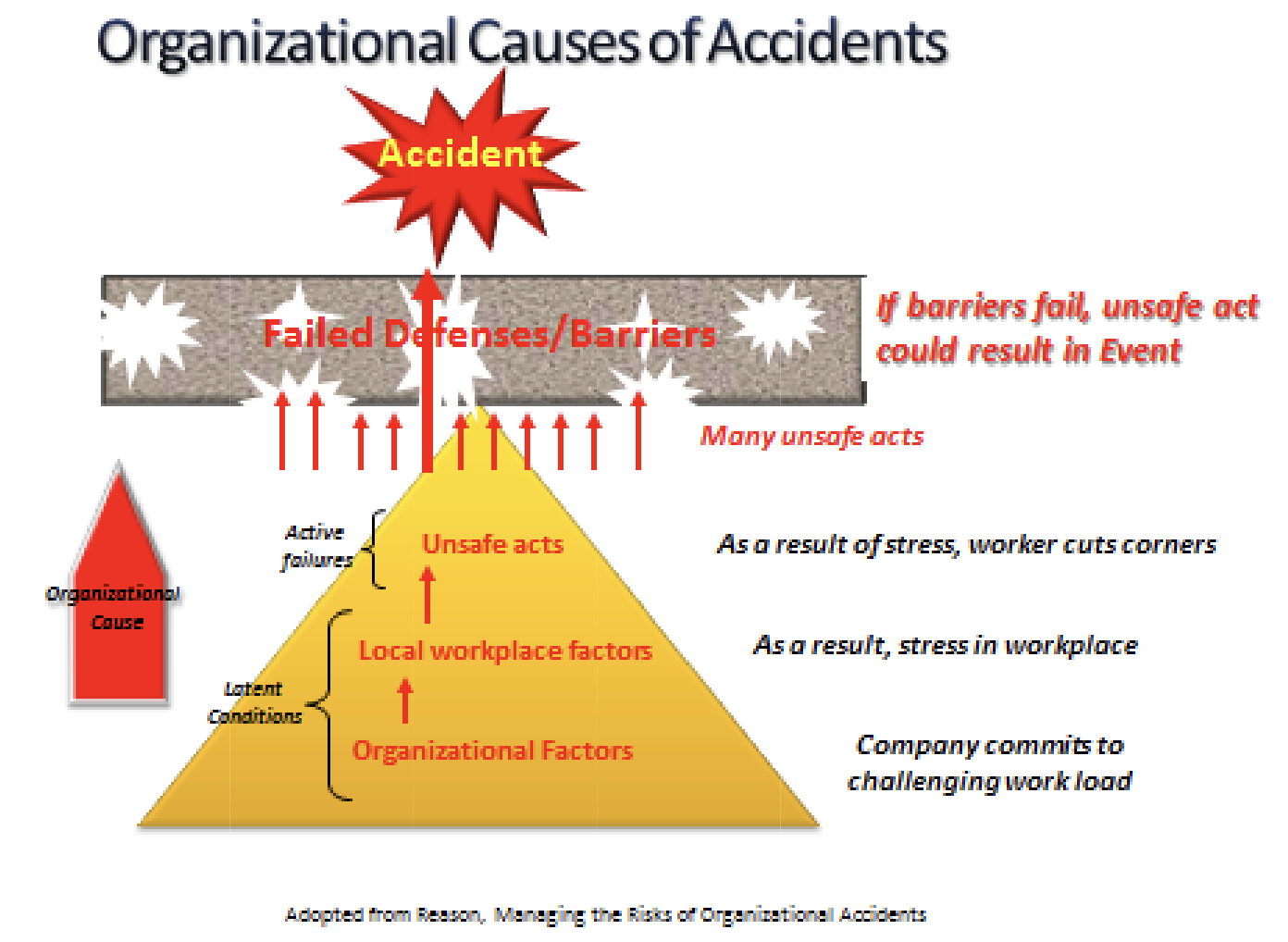
Recently I was discussing with a client the risks associated with an action they wanted personnel to take once the “deviation” was recognized to prevent the event from reaching potentially catastrophic consequences.  This client has a safety rule that allows the specific action; however, what they had not thought through was the risk of what happens to the employee carrying out the task, and they are unsuccessful in achieving the desired outcome – what happens to this employee?  In emergency response, we call this the “hero syndrome.”  Many responders have rushed into an emergency situation, not fulling understanding the risks in the effort to save a life.  Quite the noble cause, until we end up with two victims.  We also have seen this scenario play out dozens of times each year regarding Permit-Required Confined Spaces.  We even have a name for these noble victims “would-be-rescuers”. 

Simply stated, it is humans being humans, doing what they think is the “right thing to do,” and that is very hard to overcome.  After all, we want a culture of caring, peer-to-peer engagement.  However, we want those in the PREVENTION Layer to help reduce the likelihood of the initiating event.  But as risks increase substantially once the event has started, so should our defenses.  But often, these initiating events are the result of a human error, a bad decision based on a misguided conception of the risks vs. the payback.

In the clients’ discussion, we agreed that in the 1st step in the action of the employee, the risk profile is no different than when the task is done under “normal operating parameters”.  In the next risk assessment stage, the risk could substantially increase based on where the employee chose or was limited to where he/she would be performing the action.  But the last step in the risk assessment drives the risk off the charts.  What happens when the employee is in a highly compromised position and fails to achieve success with their action(s).  We have placed an employee in a high-risk situation with few to very limited paths to safety, but they have to take some action as a consequence at the end of the sequence is catastrophic.

This takes me back to the teenage boys and the boat.  They were clearly in the CONFIDENCE stage with their ability to ski, so much that they thought this stunt could be pulled off.  But I will bet you my house; when their dads asked them, “what the hell were you thinking” they will declare they never thought through the consequences if BOTH of them fell.

Scroll to Top