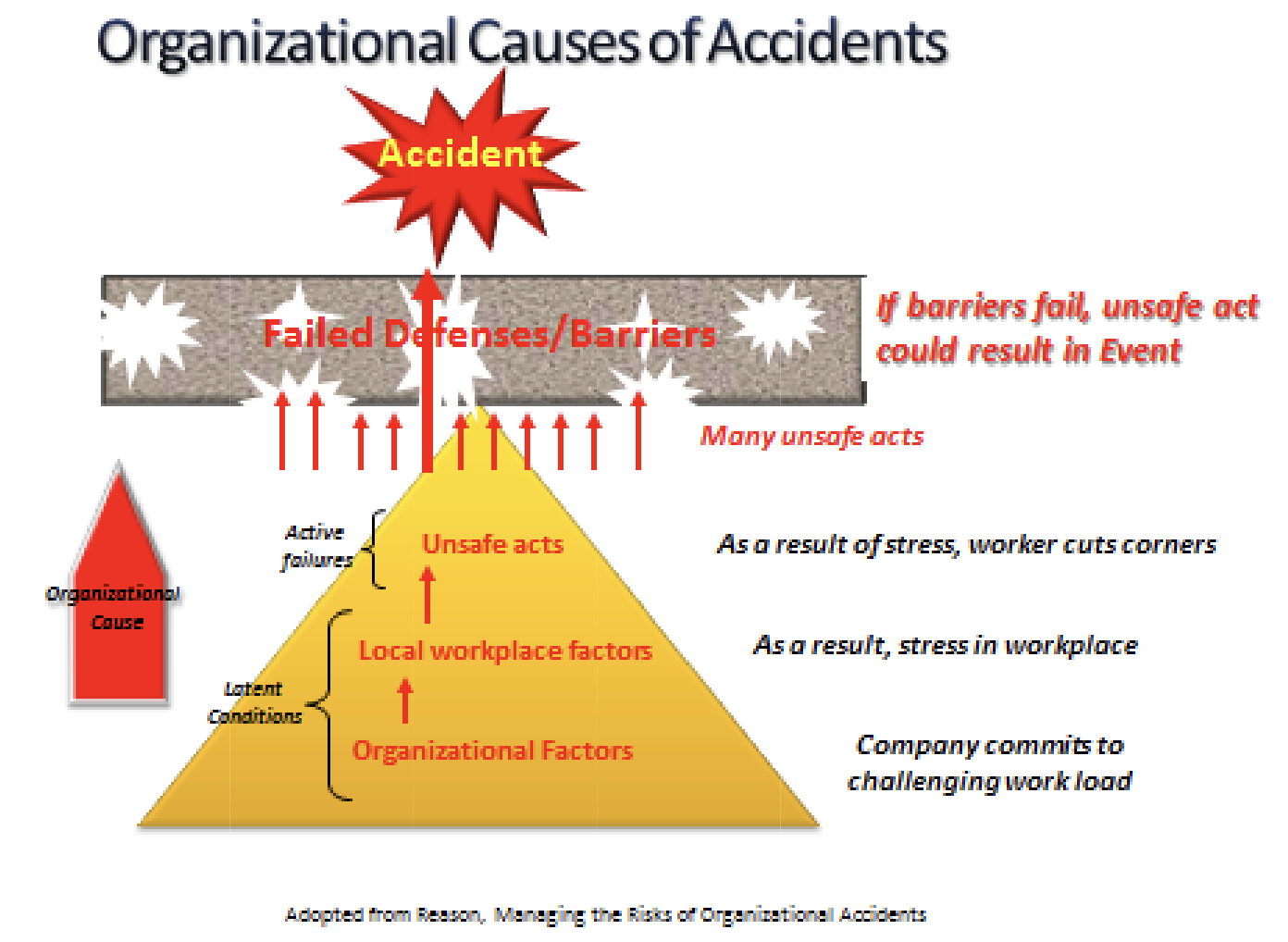
In essence, Quality Assurance is about determining gaps in the SMS elements based on non-compliance with regulatory or organizational requirements. It is looking at weaknesses in the safety management system, which increases risk.
Like the quality assurance process, the safety assurance process includes requirements for analysis, documentation, auditing, and management review to meet performance criteria. Safety assurance monitors the effectiveness of safety risk mitigations/controls. There are three (3) primary strategies we can use to maintain a healthy SMS:
- Safety Assurance (SA) policy and doctrinal principles
- Quality Assurance (QA) as found in the National Aviation Safety Management Plan
- A training curriculum (talk-the-talk) backed by constant and consistent behaviors (walk-the-walk) that demonstrate management commitment
While top-level leadership and vision are crucial for a good QA/SA program to work, middle management and field-level involvement and commitment to the principles of QA/SA are also required.
Field employees are the primary force for continuously improving the system, refining and revising work processes, and coordinating through all of the organization’s systems to maintain and improve the quality of the SMS.
The organization must monitor the performance and adequacy of the SMS by utilizing a proactive internal evaluation program designed with the following objectives:
- Assess conformity with internal and interagency requirements
- Measure the effectiveness of safeguards and risk controls
- Monitor products and services received from vendors and contractors
- Assess SMS performance
- Identify hazards and deficiencies
When an internal or external evaluation is completed, each finding (discrepancy) must be analyzed, and a corrective action plan developed. It is entirely appropriate to perform a risk assessment for significant findings and determine if significant risk is present due to the discovered deficiency. A corrective action plan for each finding, including the responsible party, shall be developed, with an assigned due date to complete the action. The responsible party for the functional area associated with a particular finding should also be responsible for correcting that finding.
To formalize a corrective action plan, procedures, and documentation, the following requirements are established:
- A corrective action assignment will result from every finding. Employees perceived to have the best opportunity to develop and implement a corrective action that will remedy the deficiency will be assigned
- Sr. Safety Management is responsible for the review of corrective actions that affect safety assurance
- The action plan can be closed after determining the corrective action is complete; a safety assurance check will be performed between 90 and 120 days after an action
plan is closed to verify the effectiveness of the implemented corrective action. This assurance check is typically assigned to department/unit safety team members for completion.
Source: this is based on the FAA’s SMS model; it has been revised to fit the SAFTENG model