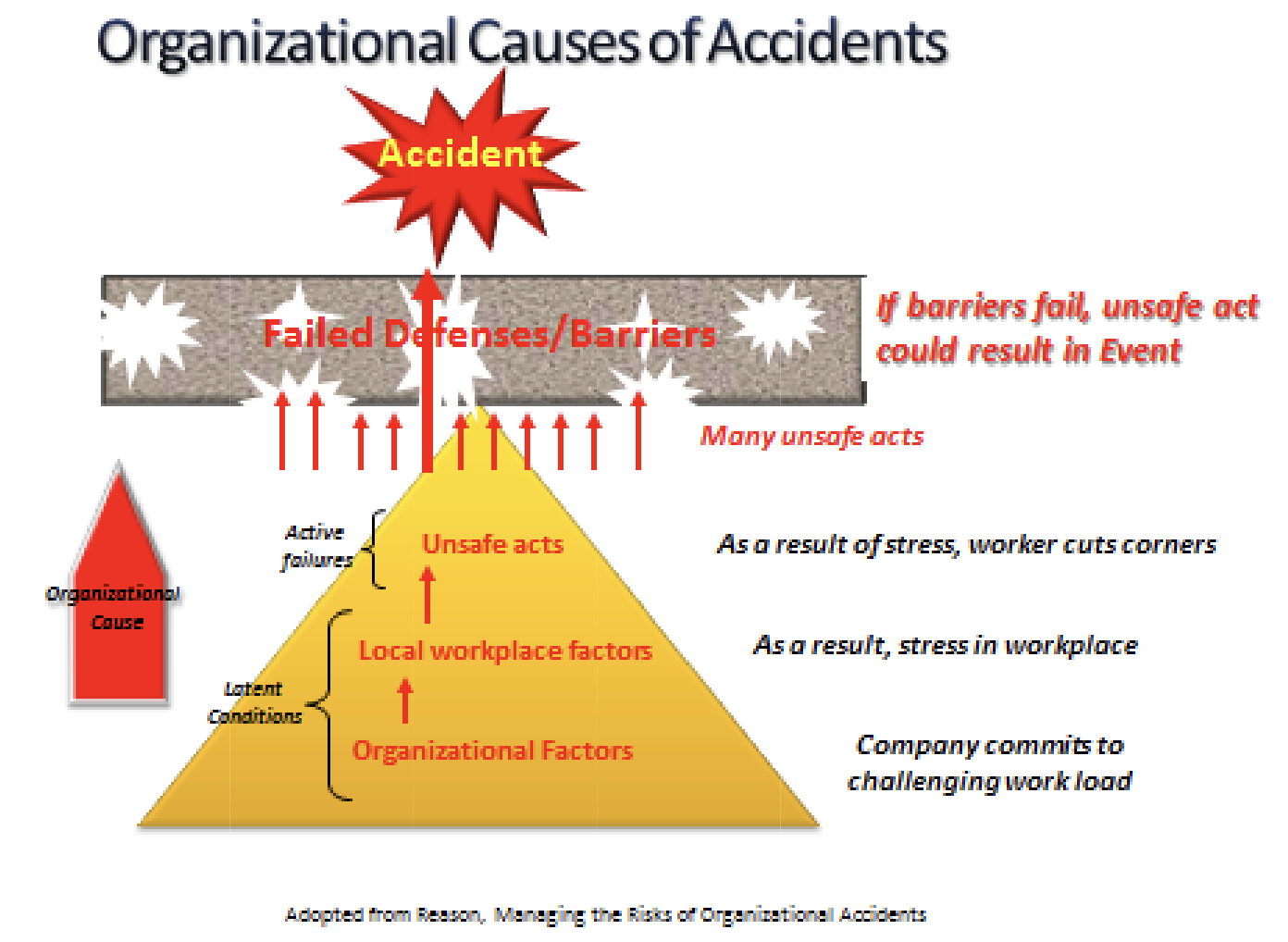
Management systems require clearly written procedures that are fit for their purpose of controlling all aspects of safety. However, there is a great difference between having excellent procedures on paper and having procedures that are understood and applied consistently and conscientiously by all staff. There is a need for balance in the number and extent of procedures. They should identify and address the main risks and be intelligible and relevant to those using them. In particular, the rules and procedures, reinforced by training, need to bring out clearly to the workforce the reasons for particular requirements, since only then will the procedures pass the test of relevance required by the operator if he or she is to be fully committed to their use. In other words, employees’ perceptions of risk must be such that the requirements placed upon them are seen to be necessary and relevant. Shortcuts or “workarounds” will begin to be practiced if procedures are not valued. This could lead to further degradation of safety standards. Working around a requirement that is not a prime safety requirement can quickly lead to a culture in which even vital and fundamental safety procedures are no longer viewed as sacrosanct.
The important conclusion from this is that simple intelligible procedures should be in place for work that needs to be controlled. These procedures ought to be in a form that can be used directly at work. The issue of responding to genuine errors and to violations of procedures will be discussed in a follow-up posting, but I have been discussing this approach for 20 years!
This discussion raises several diagnostic questions, which those responsible for operating organizations (and regulators) should consider:
- Have procedures been written in collaboration with the employees who will use them?
- Are they fit for their purpose?
- Are they written clearly so that they are simple to understand and use in practice?
- Do employees understand and accept the need for the procedures that aid them in complying with the “safety rules”?
- In particular, do they understand the potential consequences of effects on safety and the environment arising from non-compliance?
- Are the application and the accuracy of rules and procedures monitored?
- Are shortcomings quickly corrected with the involvement of the users
- Has a system of workarounds, with or without the tacit approval of managers, begun to develop?