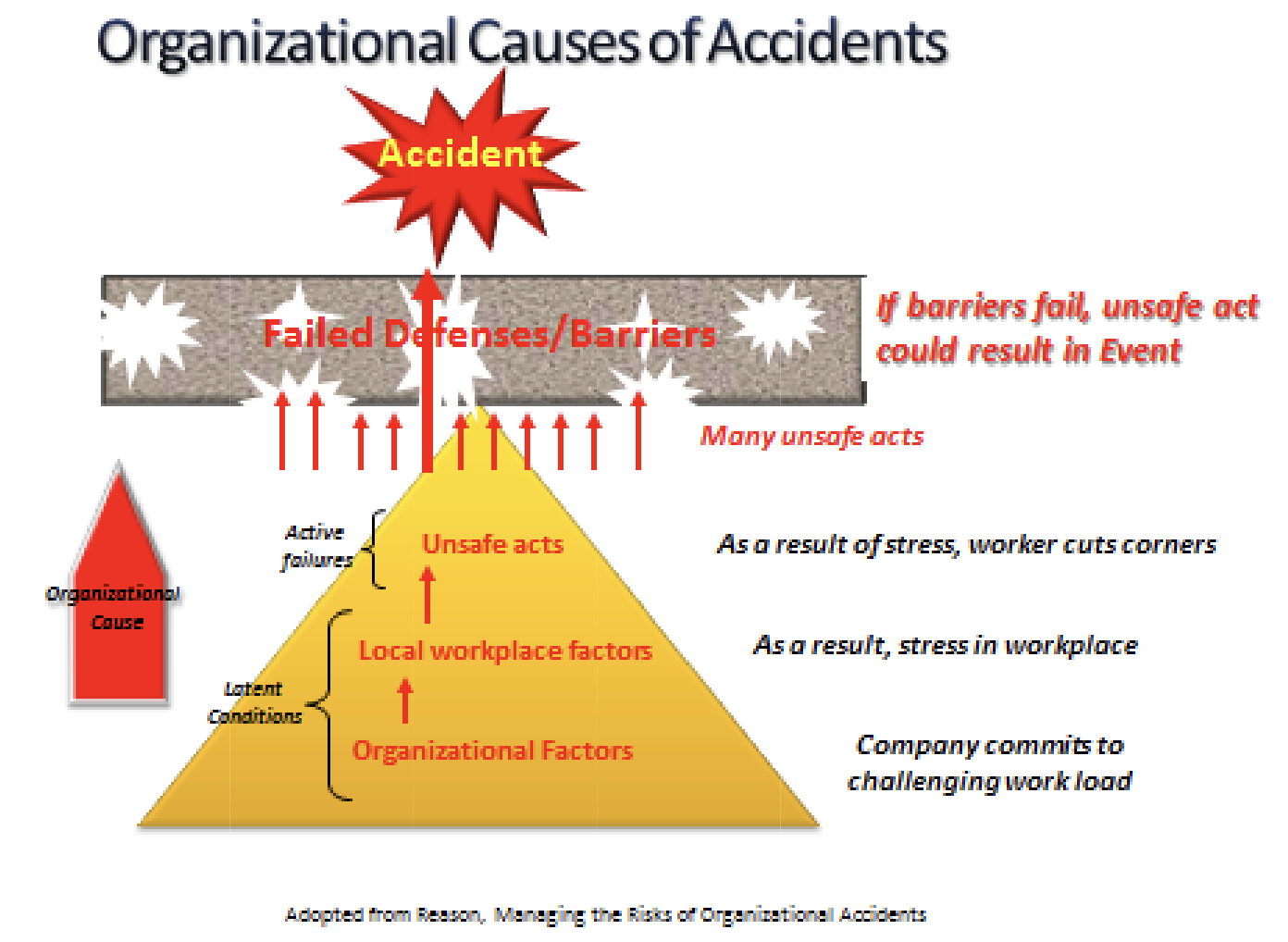
 There is a push by the transportation businesses to allow for single-crew cockpits in planes and trains, like what is allowed in commercial trucking. But is the risk the same across all three modes of transportation? Take the worst-case scenario you can reasonably identify in all three (3) modes and ask… what layers of protection would allow the train or plane to recover safely should the single crew member make an error or, worst, become incapacitated. A study of commercial pilots in the UK estimated that pilots become incapacitated 0.25% of flights.
So looking at the consequences of a single crew cockpit becoming incapacitated, using the largest passenger plane numbers, is society ready to accept an incapacitation rate of 0.25%?
We must take credit for any formal safeguards that would PREVENT-PROTECT-MITIGATE the event. By “formal,” we can not count passengers who just happened to be available to assist in the event, whether flying/landing the plane or providing medical aid to the single-crew member. A formal safeguard could be the other crew members’ skills or the “auto-pilot” system that could fly the plane during a brief incapacitation. Maybe one day, there will be a safety system that when activated by a crew member it can locate the nearest runway capable of landing on, communicate with ATC for the need to land on that runway, and physically land the plane on that runway if the pilot becomes incapacitated and one of the crew members can activate this emergency system. These safeguards will LOWER the RISKS, as long as they are appropriately maintained. Another one that gets mentioned often and would fall into the PREVENT category is more stringent and frequent medical surveillance of pilots; as most of the scenarios we come up with will be a medical episode involving the pilot (from a stomach illness to a heart attack/stroke). We can’t forget about mental health, either.
The other factor the airlines have to consider is the “unfounded fears” within their customers of a single pilot, regardless of the formal layers of protection in place to PRVENT-PROTECT-MITIGATE an event that incapacitates the single pilot. Most of the flying public has no earthly concept of what risk looks like and how it can be influenced; they simply know that they have flown dozens/hundreds/thousands of times with two pilots and never crashed. Some of them may have even been on a flight where one of the pilots was incapacitated and the other pilot was able to safely get the plane down or to its intended destination. So the old saying “change is hard” is never more true when you’re dealing with PLANE CRASHES and the mental images their customer conger up in their heads when they hear the idea of single-crew cockpits.
The real fear in these scenarios is NOT based on the frequency or probability of an undesired event; it is larger driven by the consequences. We drive next to trucks that have a single person in the cab daily. And we have all seen some horrific accidents in which these trucks have been involved. Add in hazardous materials that some trucks are moving and the risks go up exponentially. But it is still an acceptable risk – at least, I am unaware of any particular movements in society demanding two (2) drivers be present in the cab. Of course, this would be silly, as the design of truck cabs is such that a second person in the cab will not be able to assume control of the truck as they are not provided their own set of controls. And think about how fast this person would have to respond while driving on the road at 70 mph (vs. a plane at 35,000′ or a train on a designated track). Nonetheless, in this mode of transportation, it is acceptable to have a single “pilot,” and we have many more truck accidents than plane accidents (on the ground and in the air).
When a plane crashes, it has a broader impact on many more people, and these impacts tend to be more significant to those individuals (and families). And to be fair to the debate, we still experience crashes attributed to human errors because we have two pilots in the cockpit. In this most recent NTSB accident, it is implied that there may have been a disagreement between the pilots as to the method to correct the errors.
Pilots made errPilots made errors before crash near Lake Tahoe that killed all 6 on board, investigators say
So maybe one day, technology and society can come together to manage the risks associated with single-pilot flights. After all, we just saw “driverless cabs” get introduced in San Francisco this week.
NOTE: the “safety” complaints about the launch of driverless cabs in San Fransico are the same failures that happen with cars driven by people! I have yet to see a failure from driverless cabs that are different from the failures humans have been making since cars have been available to us! I am not endorsing driverless cars, but some of these stories about the problems suffered at the launch seem to be more about people unhappy with this shift than the risks this shift actually poses to society.