I am never disappointed in social media’s ability to tell me daily just how bad traditional safety practices are. I am also wondering if there is an aspect of business management that gets beat up and denounced more than safety. It seems we are never without so many new options/directions in safety, and unfortunately, many of these new options and directions claim to be the silver bullet – the sole tool we need to make safety whole.
From psychological safety to HOP, to Safety Differently, Safety 2.0, Zero Harm; heck, the list could be endless these days. But I have come to a simple conclusion:
Over my past 20 years traveling the world, I have helped organizations improve their safety performance. Maybe 2% of those organizations had an actual FUNCTIONING Safety Management System (SMS) that was FULLY INTEGRATED with the business functions (Operations, Maintenance, Engineering, etc.).
Maybe my sampling is skewed based on the types of facilities I work with. Still, these organizations range from millions to billions in sales and from hundreds of employees to hundreds of thousands of employees, and they almost all were missing a STRUCTURED, FUNCTIONING, and INTEGRATED SMS.
So, for all these academics/experts, many of whom have zero to minimal practical experience developing, implementing, and managing an SMS, I find it difficult to buy their sales pitch(s). Even their “data,” in which they claim almost everything Industrial Safety has put in place in the past 50 years, is not only “not helpful” – some even claim it has cost us lives. But I am left scratching my head and wondering…
If so few organizations have a functioning and fully integrated SMS, how do we collectively know that this fundamental OSH/PSM approach does not work as a profession?
Much less contributed to the death of workers?
Even as a safety engineer, manager, and director at a facility, regional, and corporate level, I witnessed firsthand how an SMS can vastly improve performance and culture by reducing risks. In my early years, I was a massive fan of OSHA’s VPP, as that process was the beginning of formulating a simple SMS for our OSH needs. As I matured in my career and worked for some of the largest and finest chemical and semi-conductor businesses, my SMS/Safety Process model(s) grew and matured along with me. Today, I have a 16-20 Element SMS that is a melting pot of PSM/RMP, VPP, ISO, and SIF models. For most organizations implementing this TRADITIONAL SMS, it works miracles in both performance and culture.
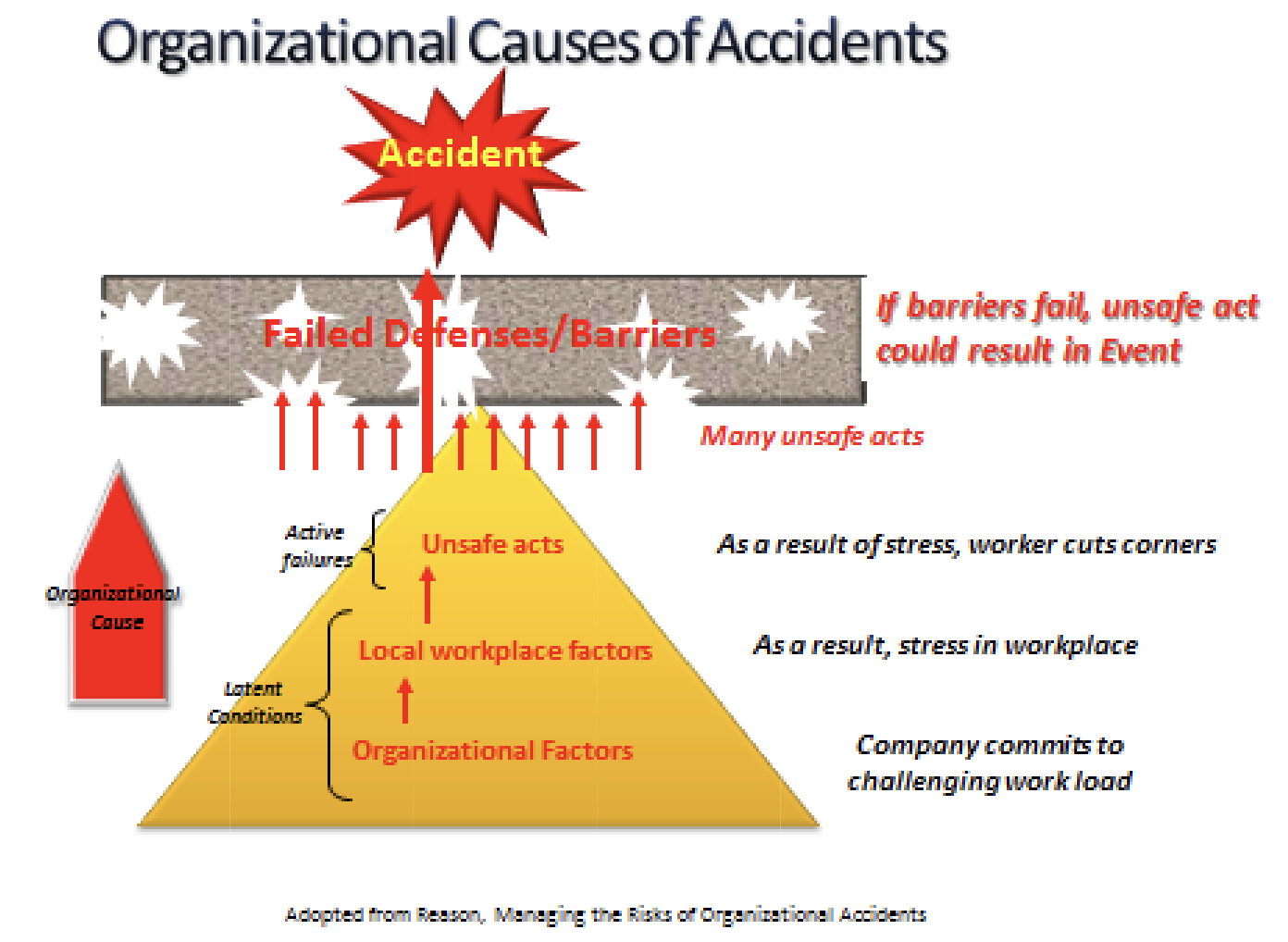
As I have said many times over the past 5-10 years, I utilize the HOP Principles in how we manage the SMS elements: ALWAYS keeping the employees/contractors who do the dirty and dangerous work at the forefront of everything we do and directly engaged in all that we do. Recognizing we ALL make errors, mistakes, and commit Violations (e.g., James Reson HF Model).
There are many opportunities in taking this SMS journey. In my professional opinion, it is the foundation for all the fancy add-ons such as Behavior-based Safety, HF engineering, etc. But that is just my opinion, what say you?