












Respondent owns a chemical supply outlet where chlorine was present in a process above the 2,500 pounds TQ, and sulfur dioxide was in a present in a process above the 5,000 pounds TQ from at least March 16, 2010. Respondent has two (2) program 3 processes: a chlorine cylinder storage process, and a sulfur dioxide cylinder storage process. Respondent submitted an RMP on March 16, 2010, February 6, 2015,...
Read More
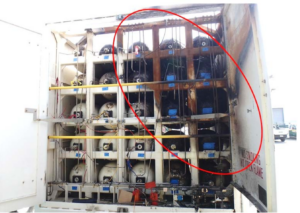
The NTSB has determined that the probable cause of the 2018 Hydrogen tube trailer fire in California was human errors made by two non-related personnel from two different companies with both workers making errors on the pressure relief system:
REQUALIFICATION TECHNICIAN’S installation of an INCORRECTLY RATED PRESSURE RELIEF DEVICE in cylinder No. 14, which actuated during normal transportation and...
Read More
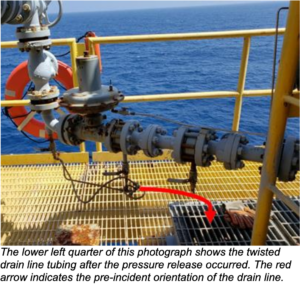
Remember that project where we installed new XXXXXXX and to save money we did not remove the old XXXXX and just piped around it? We always thought that the old piping and valves were not a hazard, well think again…
On May 20, 2019, an offshore oil and gas worker was conducting daily rounds, which included checking for fluid in the gas lift fluid slug catcher. The worker noticed that the...
Read More
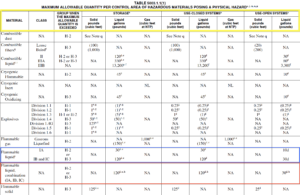
One part of managing flammable liquids is minimizing fuel load in the event there is a fire. Both state codes and OSHA utilize what is called “maximum allowable quantity per control area“. This practice is based on the “degree of hazard” or as OSHA calls them today “Hazard Category” of the flammable liquid or gas being stored/handled/processed. ...
Read More
If you’re in the ammonia fertilizer business in the State of Georgia (GA) this may be of interest to you. Although I should point out that the Code language did NOT exclude ammonia held as a refrigerant. On November 25, 2019, the Administrative Procedure Division of the Office of the Insurance and Safety Fire Commissioner held a public hearing on the adoption of a number of proposed...
Read More
Over the past decade, we saw a huge swing away from safety being a technical field to one that is more hugs and kisses. Last year, we even saw the number one organization for safety professionals change their name from Safety Engineers to Safety Professionals. Along with the name change came a change to topics at its annual conference and continuing education offerings. This leads...
Read More
At 2:00 p.m. on May 20, 2014, Employee #1 was in a tank railcar confined space containing residual sweet crude oil without prior entry assessment and without wearing a harness with stand-by extraction equipment. While Employee #1 was shoveling crude oil inside a permit-required confined space tank railcar. Employee #1 was wearing a full-face supplied-air respirator (SAR), MSA Type-C Ultraview, attached...
Read More
At approximately 10:40 a.m. on April 2, 2019, the housing of a three-inch Y-strainer of an isobutylene line that fed into reactor K8 ruptured and isobutylene was released, forming a vapor cloud. Three employees responded to mitigate the isobutylene vapor in the reactor area.
…
HomeRead More »
Read More
I would love any comments, suggestions, corrections on this presentation. A lot of updates based on the latest NFPA 70E requirements. SAFTENG members can log into the member’s area and download the pdf version. Once we get it just right I will share the final .ppt file with those who helped with this review. If you have extensive electrical safety experience and want to...
Read More
At 3:15 p.m. on May 31, 2019, an employee was scraping oil sludge towards the bottom drain of a rail car when coworkers noted the absence of normal working sounds. The coworkers performed an entry rescue and found the employee unresponsive due to anoxia and chemical inhalation. The employee was killed.
…
HomeRead More »
Read More
At 4:45 a.m. on July 29, 2018, 16 employees were operating vegetable packaging equipment and performing material handling activities at a vegetable processing facility that used ammonia refrigeration. A fan unit for an evaporative condenser unit fell onto the condenser coil due to the structural failure of a motor bracket. While falling, the fan cut into the coils causing ammonia to be released inside,...
Read More
Pursuant to a local emphasis program (“LEP”) targeting grain handling facilities, Complainant initiated a programmed inspection of Respondent’s corn mill. During her inspection, Compliance Safety and Health Officer (“CSHO”) Joan Behrend observed an unguarded shaft bushing on a gear box and accumulations of grain dust around the exterior of the facility. Based on her observations, CSHO Behrend recommended,...
Read More