











How much do you utilize your Management of Change (MOC) tool? Usually, when the acronym MOC is even whispered, many people begin to roll their eyes, sigh, and in some cases become physically angry. This is one of the mysteries I hope to solve before my retirement – why would anyone dislike a tool that is provided to merely aid in managing “changes”. Why the hostility toward...
Read More
It seems the article last week was an eye-opener for a lot of folks! The response has been overwhelming from many of you and several suggested that I take the “limitations” a step further. Seems a lot of you broke out your owners’ manuals and enjoyed some holiday reading; learning that these devices have even more limitations. This posting is merely a listing of...
Read More

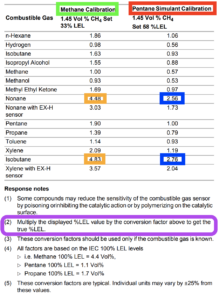
One of the scariest things I have learned in my career, going all the way back to my days as a FF, was the when I learned about the “correction factor” that atmospheric monitors come with. I had used these devices for years, even entering some PRCS for “recovery” (sorry not many actual rescues as a FF – we usually show up too late!). But I have to give credit to Jeff Steen,...
Read More
Oily waste safety cans are an essential safety device where ever cloths and wiping rags are used with oils and solvents. Rags and cloths soaked with solvents, thinners, linseed oil, combustible adhesives, and other flammable liquids present a serious fire risk if they are improperly discarded. These cans have specially designed lids that open no more than 75° and stays closed when not in use, isolating...
Read More
This is another part of my recent respirator articles; my attempt to help up-and-coming program administrators understand what OSHA is actually requiring as the absolute minimums. This post is about the “numbers” we see and hear when discussing respiratory protection. As I posted a few months ago, during an audit for a client, we came across emergency responders who had been fit-tested...
Read More
A couple of weeks ago EPA met the court’s decision by posting the amended RMP rule on the CFR. This meant that those amendments that had dates that had come due were in full play. But on May 30, 2018, EPA proposed changes to the final RMP Amendments rule issued on January 13, 2017.
EPA is proposing to rescind amendments relating to:
safer technology and alternatives analyses,
third-party...
Read More
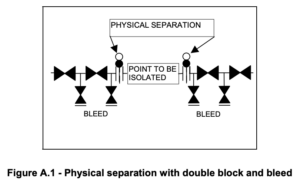
If I had a dime for everytime someone says to me… “where do you come up with all this sh_t?” during our deep discussions on process safety topics. And whenever I do my 5-day Process Safety course we seem to always get deep into the “process safety weeds” and one topic that many students are amazed by is that there is a RAGAGEP for just about all of our needs. The...
Read More
ATTENTION FOOD PROCESSOR CLIENTS: OSHA is onto the Clean-In-Place (CIP) process and how it contains “hazardous energy sources”, which in turn makes opening up the CIP system a “line-break” and LOTO activity. These citations center around PPE and LOTO issues at a food plant where workers were exposed to “hot water”.
OSHA has cited a food processor for...
Read More

I have so many of these incidents on video, investigation pics, investigation reports, OSHA citations, and yet the video’s, pics and reports continue to arrive in my in-box. This one is quite something, but even after that awesome display of a flash fire exiting a manway like a rocket – anyone want to bet me that at some point they went right back to grinding/cutting on the vessel...
Read More