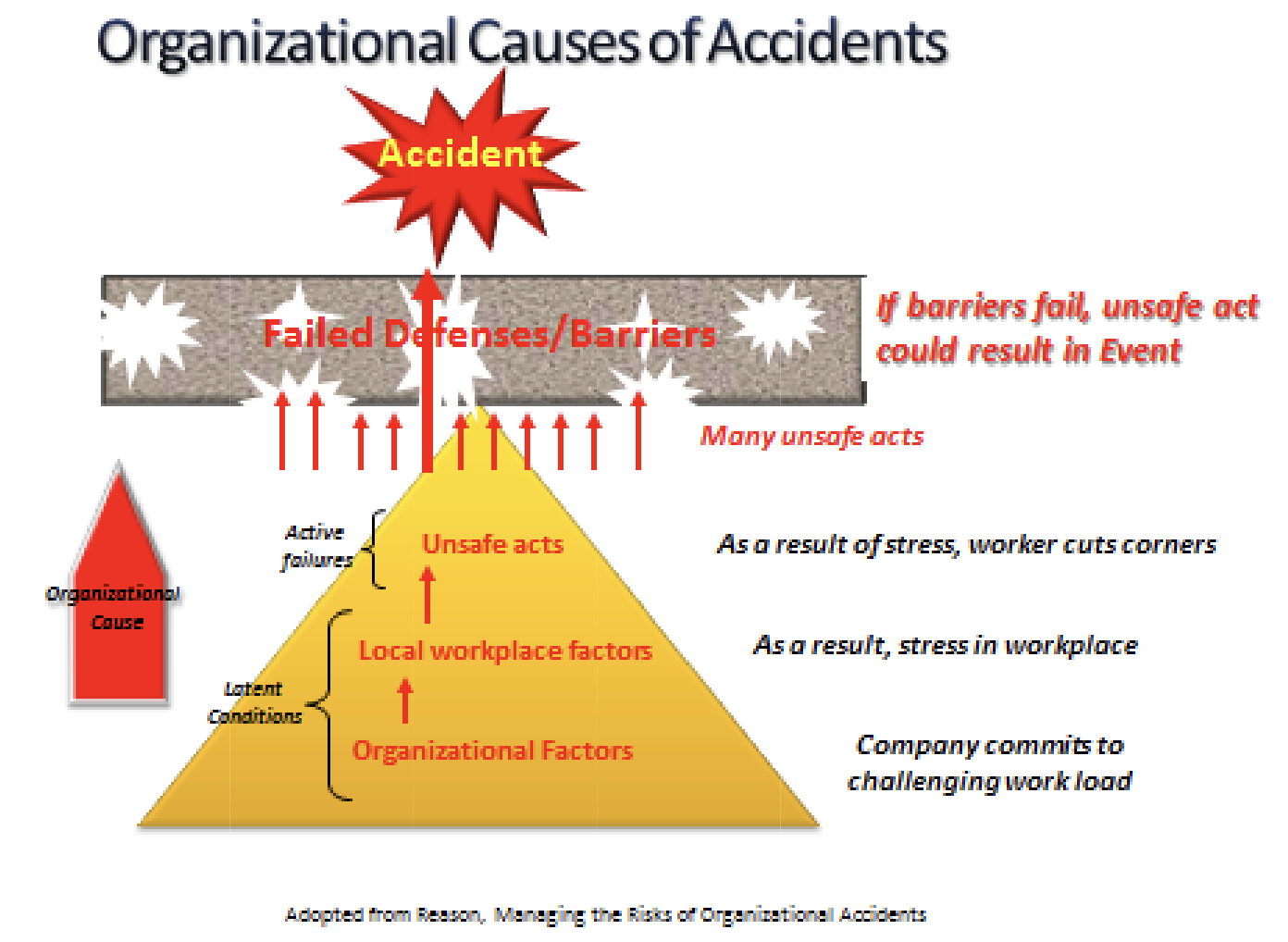
“The situation that the worker has to manage is always unique. Even if the prescribed operation is habitual, certain factors are specific to this particular time: the weather conditions, the time and the day of the week, the state of the upstream or downstream facilities, the equipment to be used, a maintenance technician nearby, the team not being made up of the usual members, a change in procedure, etc.
In many cases, these sources of variability do not affect the operation: by making some modifications to their way of working, the worker(s) compensates for a small variation in the context and manages to carry out the operation whilst generally respecting the procedure. In other cases, the worker or the group considers that the difference is more significant and that they addressing the variability of the situation have to do things differently. Based on their appreciation of the situation and their experience, they will implement a way of working that they consider to be appropriate. In the vast majority of cases, this way of working will lead to a positive result, and the fact that the procedure was not followed will go unnoticed. Sometimes the adjustments that are made have detrimental consequences because the situation included certain aspects that the workers were unaware of or did not take into account. They will therefore be reprimanded for having taken liberties with the procedure. This is this same deviation from the rule that ensures productivity and which can lead to accidents.”
Source: The ICSI “Safety Culture” working group (2017). Safety Culture: from Understanding to Action. Issue 2018-01 of the Cahiers de la Sécurité Industrielle collection, Institut pour une Culture de Sécurité Industrielle (ICSI), Toulouse, France.