
What is a “reporting culture” and why is it so critical to safety?

Organizations with good safety cultures consider failures and “near misses” as lessons that can be used to avoid more serious events. There is thus a strong drive to ensure that all events which have the potential to be instructive are reported and investigated to discover the root causes and that timely feedback is given on the findings and remedial actions, both to the work groups involved and to others in the organization or industry who might experience the same problem.

This “horizontal” communication is particularly important. Near misses are also very important because they usually present a greater variety and volume of information for learning. All employees must be encouraged to report even minor concerns to achieve this. This raises the important question of “blame-free” reporting.
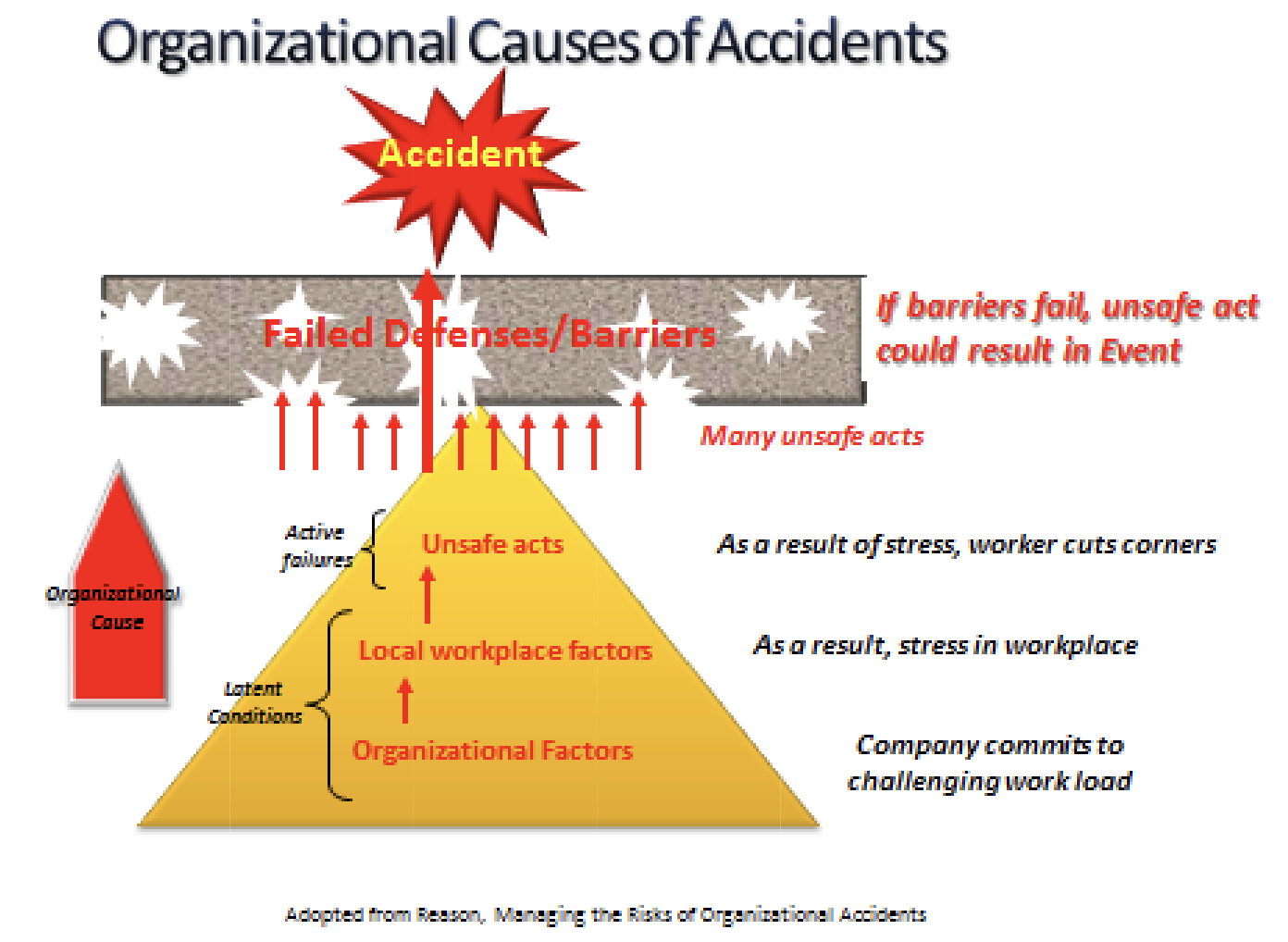
If employees report near misses, they must believe that these reports are valued and that they and their colleagues will not be penalized or disciplined due to coming forward to make them. There will, of course, be situations in which some action needs to be taken concerning an individual due to an incident. One example would be a wilful act; another is the deliberate contravention of a procedure that is known to be workable, intelligible, and correct.

Sometimes retraining may be necessary. A more difficult issue arises when a conscientious worker makes repeated mistakes that cannot be corrected by coaching and retraining. However, in a good reporting culture, it is accepted that failure to report any issue that may adversely affect safety is unacceptable. A good reporting culture will be regarded by staff as ‘just’ and will be built on an atmosphere of trust.

This open and responsive approach to reporting and following up also has implications for regulators. For example, they may become aware of a greater number of ‘failures’ reported by the operating organization as such a system is developed and may be tempted to take action. It is vital that a balanced view be taken, however, since overreaction could stifle developments that in the longer term, will lead to real and sustainable enhancements in safety.

The following are pointers to consider in moving towards a strengthened safety culture:

  1. Are employees encouraged to report all events and near misses?
  2. Given that research has shown that the number of near misses usually exceeds the number of actual events by at least an order of magnitude, is the ratio of reports of near misses to events with real consequences sufficiently high?
  3. Are reports investigated and dealt with on a prioritized basis
  4. Is feedback given to those who report the issue and others who may benefit from the learning opportunity?
  5. Has a ‘just’ reporting culture been established in consultation with the workforce, so that there is an understood and accepted balance between ‘no blame’?
 
Scroll to Top